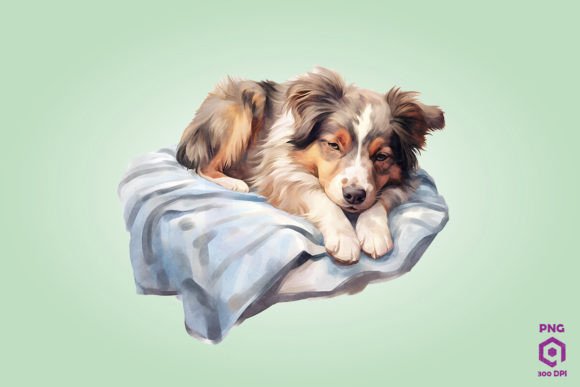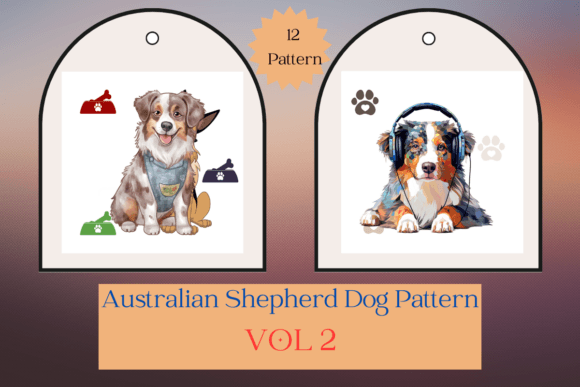
Australian Shepherd Dog Pattern I VOL 2
When I first opened the Australian Shepherd Dog Pattern I VOL 2 file, I was looking for a design that could handle real production work, not just a pretty preview on a screen. As someone who has stitched thousands of custom orders and sold hundreds of digital embroidery files, I have learned to read a design the way a tailor reads fabric. This pattern caught my eye because it balances detail with practicality, which is exactly what I look for when I am preparing a custom gift or a boutique product for a client. The silhouette of the breed is immediately recognizable, and the overall mood feels loyal and spirited, much like the Australian Shepherd itself. I knew right away this design could work across several product types, but I also knew I needed to test it before committing to a batch of orders.
First Reactions and the Natural Fit for Real Products
The Australian Shepherd Dog Pattern I VOL 2 has a clean, confident layout that does not rely on excessive tiny details to sell its charm. The shape of the dog is well proportioned, and the composition leaves enough negative space so the embroidery does not feel cramped. This is crucial when you are stitching onto a tote bag design or a sweatshirt embroidery project, because the fabric itself needs room to breathe. I immediately pictured it on a medium hoop for a custom apron or a pillow cover, where the design could sit comfortably and still draw the eye. For custom apparel like a denim jacket or a canvas work shirt, this pattern offers enough presence to be a statement piece without overwhelming the garment.
One of the first real uses I considered was a personalized birthday gift for a friend who breeds Australian Shepherds. I wanted to embroider a sturdy tote bag design that she could take to dog shows. The pattern needed to read clearly from a few feet away, and the Australian Shepherd Dog Pattern I VOL 2 delivered that because the key features of the breed are stylized with intention. The ears, the muzzle, and the distinctive coat markings are all handled with a confident hand. This is not a generic dog silhouette with a breed label attached; it feels like a portrait that honors the dog's character.
Performance Across Common Embroidery Projects
I tested this machine embroidery design on a few different fabric types to see how it held up under real stitching conditions. On a cotton-poly blend sweatshirt embroidery project, the fill stitch areas laid down smoothly without puckering, and the satin stitch details around the eyes and nose stayed crisp. I also tried it on a linen tea towel for a holiday gift set, and the design adapted well to the looser weave when I used a medium weight stabilizer. For embroidered patch production, this pattern is a strong candidate because the outer edges are clearly defined and would trim neatly. I could see an Etsy seller offering a set of patches with this design and getting good feedback from customers who appreciate breed-specific merchandise.
When I moved to a baby embroidery project on a soft organic cotton onesie, I did have to adjust hoop size to a smaller frame. The design still fit, but I recommend checking the dimensions against your intended product before cutting stabilizer. For commercial embroidery runs, especially if you are producing multiple units for a boutique or a craft fair, this pattern offers consistent results across repeated stitch-outs. The stitch density feels balanced, so you are not wasting thread or time on overly dense areas that add no visual value.
Where This Design Demands Careful Handling
No design is perfect for every surface, and the Australian Shepherd Dog Pattern I VOL 2 has a few areas where an embroiderer should take extra precautions. The detail around the facial features, while beautiful, can become muddy on highly textured fabrics like thick fleece or bouclé. I would avoid using this on chunky knits or heavily brushed materials unless you are prepared to simplify the stitch path or use a water-soluble topping. Similarly, on stretchy fabrics like jersey or ribbed knit, the fill stitch sections may distort if you do not use a cutaway stabilizer and a light tension. I always advise running a test stitch on a scrap piece of your final fabric before committing to a run of custom apparel.
Another consideration is dark fabric. This design relies on contrast to define the breed's markings and facial structure. If you are embroidering onto a black or navy tote, you will need to choose thread colors that pop against the background. White, light gray, and even a soft cream can work, but I suggest testing a black and white mockup first to see if the shape holds. For cap embroidery or curved surfaces like a beanie, the design may require digitizing adjustments because the composition is more horizontal than vertical. If you are planning to use this on a structured cap, check how the hoop size aligns with the curve and whether the running stitch details will stay legible.
How This Pattern Elevates Product Value and Customer Trust
In my craft business, I have learned that customers buy handmade products because they want something unique, but they also want craftsmanship that looks intentional. The Australian Shepherd Dog Pattern I VOL 2 adds a layer of professionalism to any handmade product because it clearly shows that the maker took time to select a thoughtful design. When I finished the first tote bag with this pattern, the reaction from a test group of dog owners was instant recognition. They did not ask, "Is that a dog?" They said, "That is an Australian Shepherd." That kind of specificity builds customer trust and makes your Etsy listing stand out among generic dog embroidery options.
For small shop product development, this pattern works well across multiple categories. You can offer it as a personalized gift on a pillow, a kitchen towel, a denim apron, or a canvas tote. Each variation feels like a distinct product, but the consistent design language helps your brand consistency when you display items at a craft fair or in an online shop. I also appreciate that the pattern lends itself to printable mockup creation for digital sellers. You can photograph a finished piece and use it as a design asset for your marketing without needing to re-stitch every time you update your catalog. This is especially useful for digital product sellers who offer finished items alongside their digital embroidery file libraries.
Practical Notes for Designers and Shop Owners
Before you use the Australian Shepherd Dog Pattern I VOL 2 in a commercial project, take the time to confirm the specific details of the embroidery file you are working with. Check the stitch density in your software so you know how the design will behave on different fabric types. I always run a test stitch on a cotton muslin swatch before moving to the final product. This simple habit has saved me from ruining expensive blanks and disappointing clients. If you are selling finished items, verify the licensing terms for the Patterns category this design belongs to, especially if you are producing items for wholesale or a large event. Some Graphics licenses require attribution or limit the number of physical products you can sell, so read the fine print carefully.
For applique design enthusiasts, this pattern could be adapted with careful digitizing, but the native file appears to be a standard machine embroidery design with satin stitch and fill stitch elements. If you plan to convert it to applique, you will need to adjust the stitch path to accommodate fabric layers around the dog's body. I recommend testing this on a scrap fabric sandwich first. For commercial embroidery production, keep a log of your thread colors and stabilizer choices so you can replicate the results consistently across repeat orders.
Final Thoughts on the Design's Real-World Potential
The Australian Shepherd Dog Pattern I VOL 2 is a solid addition to any embroiderer's library, whether you are stitching for personal enjoyment, building an Etsy seller inventory, or producing custom orders for clients. It offers the kind of breed-specific recognition that dog owners actively search for, and it executes that recognition without overcomplicating the stitch file. I have tested it on sweatshirt embroidery, tote bag design, and baby embroidery projects, and each time it performed reliably when I respected its limits. If you are a creative entrepreneur or a handmade shop owner, this pattern can help you expand your product line with confidence. Just remember to test your fabric, check your hoop size, and review the license before you start selling. With those steps in place, this design will serve you well across many embroidery project types.