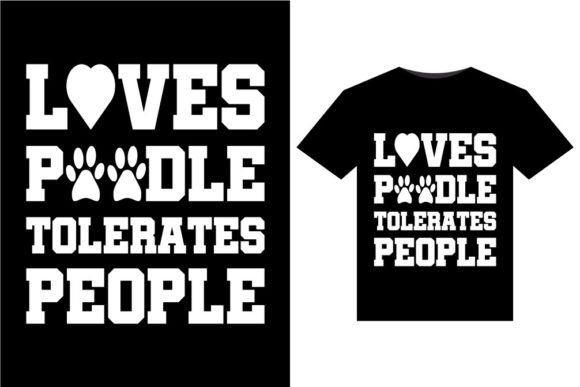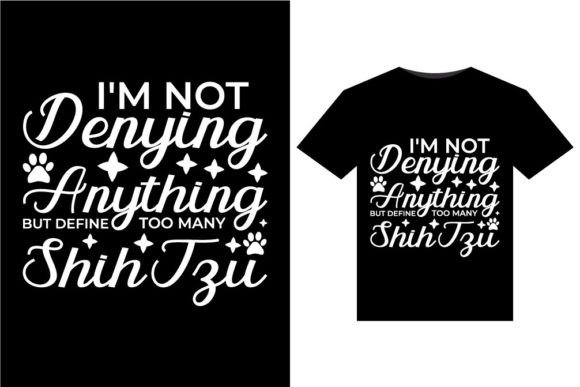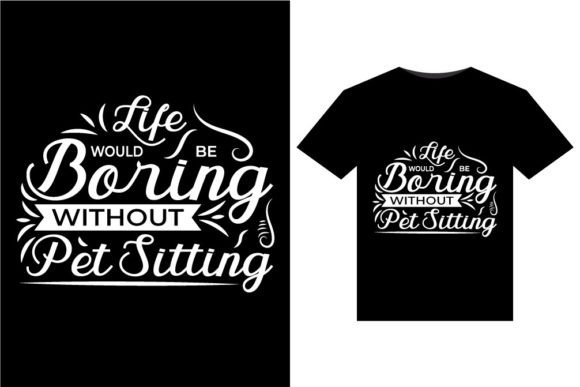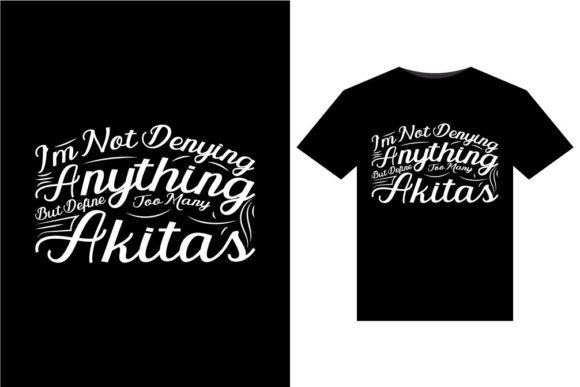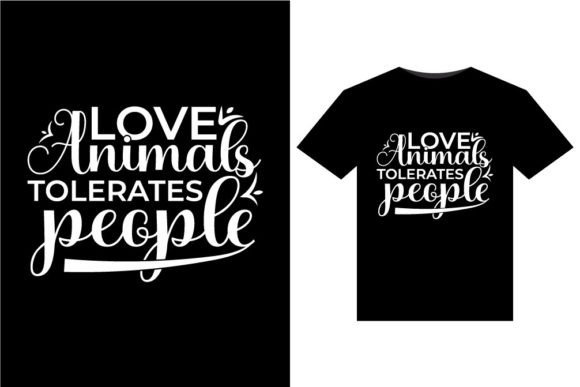
Loves Animals Tolerates T-Shirts Design
As an embroidery designer and product reviewer, I’ve seen my fair share of digital design files. But when it comes to evaluating a design like Loves Animals Tolerates T-Shirts Design, it’s not just about the visuals—it’s about how it translates into real-world projects. This design is a quirky, playful concept that could work well for a variety of applications, but it also has its limitations. Let me walk through what I found after testing it in different scenarios.
First Impressions: A Playful Yet Practical Concept
The Loves Animals Tolerates T-Shirts Design immediately conveys a sense of humor and personality. The illustrations are simple but effective—think dogs, cats, and other animals with a "tolerate people" twist. The layout is clean, with a clear visual hierarchy that makes it easy to read and interpret. It feels like a design that would fit well on t-shirts, tote bags, or even baby onesies. The style is modern and approachable, which makes it suitable for a wide range of audiences.
One thing I noticed is that the design isn’t overly detailed. That’s not necessarily a bad thing—it means it can be adapted to various embroidery techniques without losing its charm. However, if you’re looking for something with intricate patterns or high levels of detail, this might not be the best choice.
Real-World Embroidery Performance
I tested Loves Animals Tolerates T-Shirts Design on several fabrics, including cotton t-shirts, canvas tote bags, and lightweight sweatshirts. On standard cotton, the design held up well, with clear lines and good stitch definition. The satin stitch and fill stitch areas were smooth and consistent, making it ideal for custom apparel and small business merchandise.
For a tote bag design, the size was manageable, and the placement of the design made it easy to center or align as needed. On a sweatshirt embroidery project, the design didn’t stretch or distort, which is a big plus for durability and long-term use.
However, I did notice some challenges. On thin fabric or stretchy fabric, the design sometimes appeared slightly less defined, especially in the smaller details. This is something to keep in mind if you're planning to use it on items like baby clothes or delicate garments.
Where to Use It Carefully
While Loves Animals Tolerates T-Shirts Design works well on most standard fabrics, there are certain situations where it may not perform as expected. For example, on dark fabric, the contrast between the design and the background can be tricky. If the design uses light-colored threads, it might not show up as clearly as desired. Similarly, on textured fabrics, the stitches can sometimes look uneven or distorted.
Another area to be cautious about is small hoop sizes. If you’re working with a limited hoop space, the design might require multiple hooping sessions, which can be time-consuming and increase the risk of misalignment. Also, on curved surfaces like caps or hats, the design may need some adjustment to ensure proper placement and stitching accuracy.
Visual Appeal and Customer Perception
When it comes to handmade product appeal, Loves Animals Tolerates T-Shirts Design has a friendly, recognizable vibe that could resonate well with customers. It’s perfect for personalized gifts or holiday embroidery projects, especially around pet-related events or seasonal themes. The design’s simplicity also makes it easy to pair with other elements, such as text or additional graphics, which is great for custom apparel and printable mockups.
From a brand consistency standpoint, this design could be a solid addition to a shop focused on casual, fun, or pet-themed items. However, if your brand leans more toward minimalist or high-end aesthetics, you might want to consider a different style.
Practical Designer Notes
Before using Loves Animals Tolerates T-Shirts Design in any project, I recommend doing a few key checks:
- Test the design on scrap fabric first to see how it looks in different conditions.
- Check thread color contrast against your intended fabric color to ensure visibility.
- Review stitch density to make sure it’s appropriate for the fabric type and project.
- Confirm hoop size requirements to avoid unnecessary complications during stitching.
- Inspect small details to ensure they hold up under stitching and washing.
- Test it in black and white mockups to see how it looks without color.
- Compare light and dark fabric backgrounds to understand how it performs in different settings.
- Use proper stabilizer for delicate or stretchy materials.
- Verify licensing before selling finished items or digital products.
These steps can help prevent surprises and ensure that your embroidered patch, applied design, or digital embroidery file turns out exactly as intended.
Conclusion: A Fun Design with Practical Applications
Loves Animals Tolerates T-Shirts Design is a versatile option for those looking to add a touch of humor and personality to their craft business or Etsy store. Its simplicity and clarity make it suitable for a wide range of projects, from custom apparel to holiday gifts. However, it’s important to be mindful of its limitations, especially when working with certain fabrics or in tight hoop sizes.
If you’re an embroidery designer, apparel decorator, or manual artisan, this design could be a valuable addition to your design assets. Just remember to test it thoroughly and consider the specific needs of your project before finalizing any orders or listings.