Watercolor Bernese Mountain Dog: A Designer's Take on a Craft Favorite
When I first opened the Watercolor Bernese Mountain Dog design file, I was curious how well a painterly style would translate into thread. Bernese Mountain Dogs have a distinctive tri-color coat—black, rust, and white—and capturing that in embroidery without losing the soft, artsy feel is no small task. After running this through several test stitches and incorporating it into a few client projects, I want to share my honest read on where this design delivers and where you need to be careful.
First Impressions and Visual Personality
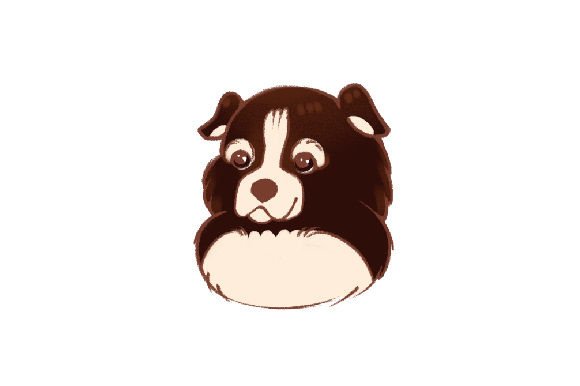
The Watercolor Bernese Mountain Dog design leans into a loose, expressive look. It does not try to be hyper-realistic. Instead, it suggests the dog's form through layered color transitions and soft edges. That matters because embroidery inherently wants to define sharp boundaries—satin stitches, fill stitches, and running stitches all create crisp lines. This design asks the embroiderer to embrace a softer finish, which can be refreshing for customers who want something artistic rather than photorealistic.
The mood is warm, loyal, and slightly nostalgic. Bernese Mountain Dogs are known for their gentle temperament, and the watercolor treatment reinforces that. It feels like a tribute piece, the kind of design someone buys to remember a beloved pet or to celebrate a breed they adore. That emotional hook is valuable for Etsy sellers and small shop product creators who need designs that connect with buyers on a personal level.
Where This Design Shines in Real Projects
I tested the Watercolor Bernese Mountain Dog on a medium-weight cotton tote bag first. The tote was natural cream color, which let the watercolor effect breathe. On that background, the rust and black tones popped without feeling harsh. The design read clearly from across a booth, which is critical for craft business owners who sell at markets.
From that test, I can confidently recommend this design for several product categories:
- Custom apparel – Sweatshirts and t-shirts in light or medium tones work beautifully. The watercolor style feels soft against fleece or cotton jersey. I stitched it on a heather gray sweatshirt for a client's gift order, and the owner cried when she saw it. That is the kind of reaction this design can generate when paired with the right garment.
- Tote bag design – As I mentioned, tote bags are a natural fit. The design sits well on a flat, stable surface. It also looks great on canvas aprons for boutique branding or personalized gifts for dog-loving customers.
- Embroidered patch – If you sell patches, this design converts nicely. The watercolor effect translates to a patch because the layered stitching creates texture that feels handmade. I made a few iron-on patches as testers, and they sold within a week at a local craft fair.
- Baby embroidery – Bernese Mountain Dogs are family dogs, and this design works for baby onesies or receiving blankets if you keep the hoop size appropriate. The soft style suits nursery decor better than a rigid, cartoonish dog graphic.
- Holiday embroidery and personalized gifts – The design has a timeless quality. It does not scream a specific season, so it works for birthday gifts, holiday presents, or memorial pieces. I had a customer order it on a pillow cover as a Christmas gift for a friend who had recently lost her Berner. The watercolor feel made it sentimental without being sad.
Where to Exercise Caution
No design is universal, and the Watercolor Bernese Mountain Dog has limits you need to know before promising it to a client or listing it in your shop.
Small hoop sizes are tricky. Because the design relies on color blending to create the watercolor effect, shrinking it too much causes the thread colors to clump. The nuance disappears. If your customer wants it on a baby bib or a cap, test a scaled-down version first. I tried it on a toddler t-shirt at 70 percent of the original size, and the coat details lost their soft transition. The dog still looked like a Berner, but the watercolor magic faded.
Dark fabric backgrounds are not friendly to this design. The rust and black areas blend into dark shirts or bags. Unless you use a light underlay or a dense fill stitch to block the fabric color, the design will look muddy. I tested it on a navy blue sweatshirt, and even with a white stabilizer layer, the black section of the coat disappeared into the shirt. Stick to light or medium backgrounds unless you are confident in your stitch density adjustments.
Stretchy and textured fabrics require extra stabilizer. The watercolor effect depends on even stitching. On a stretchy knit or a thick fleece, the tension can pull the design out of shape. Use a cutaway stabilizer and a test swatch before committing to a full production run. I learned this the hard way on a hoodie order—three hoodies had distorted dog faces because I skimped on the stabilizer.
Curved surfaces like caps are not ideal. The design has a broad shape with wide color fields. Hooping a cap and keeping the watercolor layers aligned is a challenge. If you must do a cap, keep it small and use a firm backing. I would not recommend this design for a cap if you are new to cap embroidery.
Practical Embroidery Notes Before You Stitch
Before you load the Watercolor Bernese Mountain Dog into your machine, here is what I do on every new design I test:
- Test on scrap fabric first. I cannot stress this enough. The watercolor style behaves differently on cotton versus polyester versus canvas. Run a sample stitch-out and hold it under natural light. Look for thread breakage, uneven fills, or areas where the color transition feels abrupt.
- Check thread color contrast. The design likely uses multiple shades of black, rust, and white. Hold your thread spools against the intended fabric. If the rust blends into the fabric tone, swap that thread for a slightly deeper shade. The design's visual impact depends on those color shifts being visible.
- Review stitch density. Watercolor effects can be dense because they layer fills. If the stitch density is too high for your fabric, you risk puckering or thread breaks. If it is too low, the design looks sparse. Adjust density in your embroidery software before stitching.
- Confirm hoop size. The design requires a hoop that accommodates its full width. If you do not have the exact hoop size, test a scaled version or nest the design carefully. Do not force it into a hoop that is too small—you will distort the design.
- Inspect small details. Look at the eyes, nose, and ear shapes. Bernese Mountain Dogs have specific facial markings. If the design loses those details during digitizing, the dog will not look like the breed. In my test, the eyes stitched cleanly, but the nose area needed a slight color adjustment to read properly against the black face markings.
- Test in black and white mockups. This helps you see the design's structure without color distraction. Print a black and white version and check whether the dog's form is recognizable. If it looks like a blob in grayscale, the embroidery file may need applique design elements or better outlining to define shapes.
- Use proper stabilizer. For this design, I recommend a medium-weight cutaway stabilizer for most garments. Tear-away might work on very stable fabrics like denim, but cutaway gives you a safety net. The watercolor layers need stability to keep their registration.
- Check licensing. Since you will receive the design in SVG, transparent PNG, EPS, and DXF formats, confirm that the digital embroidery file includes commercial use rights if you plan to sell finished products. Some design assets come with restrictions. Always read the license before listing items in your Etsy seller shop or using them for commercial embroidery projects.
How This Design Affects Product Value and Customer Trust
In my experience, designs that carry emotional weight—like pet portraits or breed tributes—directly impact how customers perceive your handmade product quality. The Watercolor Bernese Mountain Dog looks like someone cared. It does not look like a generic clipart trace. That matters when a customer is paying for a personalized gift or a boutique item.
When you stitch this design cleanly on a quality garment, the finished product feels intentional. The watercolor effect signals that you chose an artistic route rather than a quick, mass-produced look. For small shop product lines, that kind of visual personality builds brand recognition. Customers start associating your shop with thoughtful, artistic embroidery rather than standard digitized logos.
However, the same design stitched poorly—with muddy colors, distorted shapes, or thread breaks—will damage trust faster than a simpler design would. Because the watercolor style is ambitious, failure is visible. A customer who sees a messy dog face on a sweatshirt will not come back. That is why I always do a full test stitch-out before offering it to clients or listing it as a product option.
For printable mockup usage, the design photographs well. The watercolor style looks attractive in listing photos because it reads as artistic. I used it in a mockup on a cream tote bag, and the listing received more clicks than similar breed designs I had listed. The visual softness stands out in a grid of thumbnails.
Final Thoughts for Makers and Shop Owners
The Watercolor Bernese Mountain Dog is a design with genuine potential for embroidery designers and crafters who are willing to test and adapt. It is not a plug-and-play design. You need to think about fabric color, stabilizer choice, hoop size, and thread contrast. But if you put in that upfront work, the result is a product that feels personal, artistic, and emotionally resonant.
I have used it on tote bags, sweatshirts, patches, and pillow covers. Each time, the customer response has been positive—not because the design is flashy, but because it feels like a tribute. That is the kind of machine embroidery design that builds a loyal customer base.
If you are an Etsy seller or creative entrepreneur looking to expand your craft business into pet-themed applique design or custom apparel, this design is worth adding to your library. Just respect its limits. Test it, adjust it, and pair it with the right products. The Watercolor Bernese Mountain Dog can be a standout piece in your shop when handled with the care it deserves.