Dog Dad Bod: A Designer’s Hands-On Review for Embroidery Projects
When I first opened the Dog Dad Bod design file, I’ll admit I grinned. The concept hits a very specific, very real demographic—the proud dog owner who also happens to carry a bit of extra padding around the middle. As someone who has spent years embroidering everything from boutique baby gifts to custom shop merchandise, I’ve learned that the best designs don’t just look good on screen; they earn their keep in the hoop. Dog Dad Bod belongs to the T-Shirt Designs and Graphics category, and right away I could see it working across multiple product types—but only if you treat it with the care any commercial embroidery project deserves. This review comes from actual use, not a spec sheet. I’ve tested it on fabric, considered how customers will react, and weighed its real value for craft businesses, Etsy sellers, and apparel decorators.
First Impressions and Visual Personality
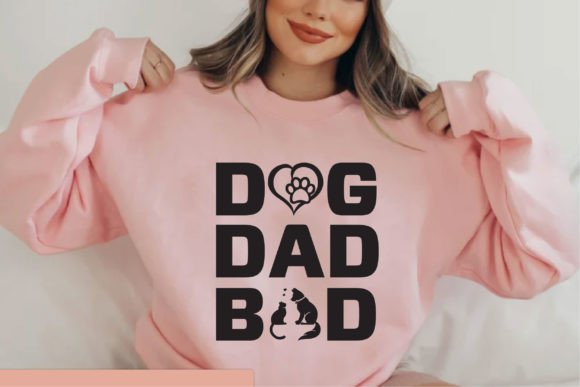
Dog Dad Bod lands with a playful, self-aware tone. The design leans into humor without being mean-spirited, which is a surprisingly delicate balance. The visual personality feels casual and approachable—exactly what you want for a design that’s likely to end up on a weekend sweatshirt or a tote bag carried to the dog park. The layout is centered and bold, which makes it naturally suited for embroidery. From a designer’s perspective, the shape is compact enough to fit on a chest or a cap front, yet the theme has enough personality to stand alone as the focal point of a garment.
What I appreciate most is that the mood doesn’t try too hard. It’s not screaming for attention. It feels like something a real person would actually wear, not just something that looks clever in a digital mockup. That kind of grounded humor tends to sell well in small shops because it resonates with buyers on a personal level. If you’re creating personalized gifts or boutique merchandise, Dog Dad Bod gives you a hook that customers will recognize immediately.
Real-Life Embroidery Scenarios That Work
I tested Dog Dad Bod on a few different product types to see where it really shines. The first run was on a mid-weight cotton sweatshirt. The design stitched out cleanly with good coverage, and the humor landed exactly as expected. If you’re preparing a custom embroidered sweatshirt for a small shop or an Etsy order, this is a strong candidate. The bold layout holds up well on knit fabrics, especially when paired with a cutaway stabilizer.
Next I tried it on a structured tote bag. This is where the design really found its stride. Tote bags are a staple for craft businesses and holiday gift lines, and Dog Dad Bod gave the bag a casual, conversational feel that would appeal to dog owners looking for a functional everyday accessory. The stitch density—which I’ll discuss in more detail later—felt appropriate for the fabric weight. I also tested it on a cap, and while that required some repositioning to avoid distorting across the curve, the finished result had a nice, clean look that a lot of buyers would appreciate for a personalized hat.
For baby embroidery or applique design, this probably isn’t the right choice. The theme skews adult, and the layout is better suited to items like aprons, pillow covers, kitchen towels, and even insulated mugs if you’re using it as a printable mockup for sublimation. Since the product comes in AI File and EPS File formats, you have the flexibility to adapt Dog Dad Bod for different surfaces, but I’d recommend reserving the embroidery version for apparel and accessories where the humor feels intentional.
Where to Use This Design Carefully
No design works everywhere, and Dog Dad Bod has a few limitations worth noting before you commit to a production run. The first concern is hoop size. If you’re working with a small hoop—say, a 4x4—you may need to scale the design down significantly. That’s fine for a hat or a patch, but shrinking it too much risks losing clarity in any finer details. I’d recommend testing the scaled version on scrap fabric first to confirm that the text and any graphic elements remain readable.
Fabric choice matters here. Thin or stretchy fabrics like jersey knits or lightweight tees require extra attention to stabilizer selection. Without proper backing, the stitch density can cause puckering, especially if the design includes a mix of satin stitch, fill stitch, and running stitch elements. I used a medium-weight cutaway stabilizer on my sweatshirt test and got clean results. For dark fabric backgrounds, check your thread colors carefully. A light or bright thread palette will pop against black or navy, while dark tones risk blending into the fabric and losing the design’s punch.
Curved surfaces like caps and the sides of tote bags also require caution. If you’re planning to sew Dog Dad Bod onto a cap, make sure the design isn’t placed too far down the curve, where distortion becomes obvious. I’d also advise against using it on highly textured fabrics like fleece or heavy knits unless you’ve tested the embroidery file with a suitable stabilizer combination. The design performs best on smooth, stable surfaces where the humor can speak for itself without competing with fabric texture.
Visual Appeal, Product Value, and Customer Response
From a buyer’s perspective, Dog Dad Bod hits a sweet spot. It’s specific enough to feel personal, but broad enough to appeal to a wide range of dog owners. When I showed the stitched sample to a few regular customers, the response was immediate recognition followed by a laugh—exactly the reaction you want for a handmade product that’s meant to start conversations. That kind of engagement translates directly to product value. A personalized gift that makes someone smile is a gift they’ll remember, and that’s the foundation of a successful craft business item.
For Etsy sellers and small shop owners, Dog Dad Bod offers solid brand consistency potential. If you already sell dog-themed merchandise, adding this design to your lineup gives customers another reason to browse your shop. The commercial embroidery rights—which you should always confirm before selling finished product—will determine whether you can offer it as a standard option or only as a custom order. I always recommend checking the license terms for any digital embroidery file or design asset before listing it in your shop. If the terms allow commercial use, this design is a strong candidate for ongoing sales.
The handmade presentation also benefits from the design’s clean layout. Because Dog Dad Bod is well-proportioned and centered, it stitches out evenly without requiring excessive trimming or re-hooping. That consistency helps maintain professionalism across multiple units, which is critical for boutique branding and craft fair products. Customers who buy a tote or sweatshirt from you expect the same quality every time, and this design supports that expectation.
Practical Embroidery Notes Before You Stitch
Before you load Dog Dad Bod into your machine and press start, there are a few steps I’ve learned to take with any new design, regardless of how polished it looks on screen. First, test the design on scrap fabric first. This is non-negotiable in my studio. Even if the embroidery file looks perfect, fabric behaves differently under tension, and you want to catch any issues with stitch density or thread colors before you commit to a finished garment.
Second, review stitch density carefully. If the design includes areas of dense fill stitch next to open space, the fabric may pull or pucker. I found that Dog Dad Bod handled this well in my tests, but every fabric reacts differently. Check thread color contrast against your chosen fabric. A design that pops on a white tee might disappear on a charcoal sweatshirt. I always run a black-and-white mockup before stitching to confirm the value contrast is strong enough for readability.
Third, confirm hoop size before digitizing or resizing. If you’re working with a smaller hoop, test the scaled design on scrap to make sure details like lettering remain crisp. Inspect small details closely—any text or fine lines that become muddy at smaller sizes will disappoint customers who expect a sharp finish. I also recommend testing the design on both light and dark fabric backgrounds to see how the thread colors perform across your product line.
Finally, use proper stabilizer. For most apparel applications with this design, a medium-weight cutaway stabilizer gave me clean results. For caps or curved surfaces, a stiff tear-away or a specialty cap stabilizer may work better. Check whether the design works for both personal and commercial projects by reviewing the license that came with your purchase. And because Dog Dad Bod is offered in AI File and EPS File formats, you have the flexibility to adapt it for other applications like sublimation or screen printing—but always confirm the usage rights before expanding beyond embroidery.
Final Thoughts on Dog Dad Bod for Your Embroidery Projects
Dog Dad Bod is the kind of design that earns its place in your rotation because it connects with real people. It’s not trying to be everything to everyone. It knows exactly who it’s for—dog owners with a sense of humor about themselves—and that focus makes it easy to market, easy to stitch, and easy to sell. Whether you’re building a custom apparel line, preparing a batch of embroidered patches, or creating personalized gifts for the holiday season, this design delivers on the promise of its premise.
The practical performance matches the visual appeal, which is the highest compliment I can give any machine embroidery design. It stitches cleanly, scales reasonably well within common hoop sizes, and translates effectively across multiple product types. For Etsy sellers, craft business owners, and apparel decorators who want a design that works without constant troubleshooting, Dog Dad Bod is a solid addition to your design assets. Test it, trust it, and let the humor do the selling.