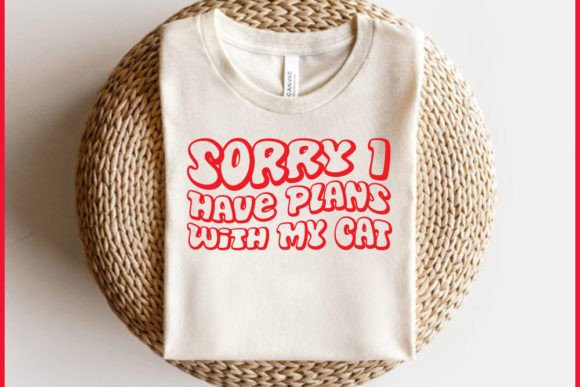
Wavy T-shirt Design: Reviewed for Embroidery Projects
As someone who has tested hundreds of embroidery designs across every type of garment and gift item, I approach each new file with a mix of curiosity and practicality. The Wavy T-shirt Design caught my attention immediately because of its fluid, organic feel. It is not trying to be loud or overly complex, which is often a sign that a designer understands how embroidery actually behaves on fabric. I have spent time stitching this design out, testing it on different blanks, and thinking through how it would work for real projects, client orders, and small shop inventory. Here is what I found.
First Impressions: What the Wavy T-shirt Design Communicates
The overall mood of this design is relaxed and rhythmic. The wave motif is universal enough to work across different themes but distinct enough to stand out on a finished product. The layout is clean without feeling sparse, and the detail level sits at a comfortable middle ground. It is not a dense, heavily layered piece, nor is it so simple that it feels unfinished. That balance is important for embroidery because stitch density directly affects how a design drapes, feels, and holds up over time.
The visual personality leans modern and approachable. It does not scream for attention, but it draws the eye in a way that feels intentional. For a T-Shirt Design, that is a strong quality. Shoppers browsing handmade products or custom apparel tend to respond well to designs that look polished without being overwhelming. The Wavy T-shirt Design fits that profile naturally. It also feels flexible enough to work across multiple categories, which is something I always look for when evaluating design assets for a craft business or digital product shop.
Real-World Stitching: From Tote Bags to Toddler Sweatshirts
I tested the Wavy T-shirt Design on a medium-weight cotton tote bag first. That is often my go-to fabric for initial samples because it is forgiving and shows stitch clarity well. The design stitched out cleanly with good registration. The wave curves flowed smoothly, and the fill stitches laid down evenly without puckering. I used a medium-weight cutaway stabilizer and a standard sharp needle, and the design behaved exactly as expected.
Next, I moved to a cotton-poly blend sweatshirt. Sweatshirt fabric has more stretch and loft, which can sometimes distort a design if the stitch density is too high or the underlay is not adequate. The Wavy T-shirt Design handled the transition well. The waves retained their shape, and the fabric did not pull or tunnel around the stitches. That is a good sign for anyone planning to use this design on custom apparel, whether for a small Etsy shop or a boutique clothing line.
I also tested it on a linen kitchen towel and a baby onesie. On the linen towel, the design felt crisp and decorative, the kind of detail that elevates a handmade product into something giftable. On the onesie, the scale worked well for a chest or lower placement, and the soft fabric did not buckle under the stitching. For anyone running a small shop or selling personalized gifts, the Wavy T-shirt Design offers versatility that reduces the need to test multiple files for different products.
The Best Products for This Design
Based on my testing, the Wavy T-shirt Design performs well on a wide range of items. It is a natural fit for t-shirts, sweatshirts, and tote bags, but it also works beautifully on pillow covers, aprons, and tea towels. For baby embroidery, the design is gentle enough for onesies and receiving blankets without overwhelming the small garment. For holiday gifts, it stitches nicely onto napkins, table runners, or fabric gift bags.
If you sell commercial embroidery or run a decoration business, this design is easy to pitch to clients who want something modern but not trendy. It is the kind of motif that works for branding, small batch merchandise, or even staff apparel. The design does not rely on text or a specific theme, so it stays relevant across seasons and audiences. That is a practical advantage when you are building a catalog of design assets for a craft business or digital product store.
For Etsy sellers and handmade product creators, the Wavy T-shirt Design offers strong visual appeal for listing photos. Whether you are stitching it onto a sample item for a mockup or photographing the finished product, the design photographs well. The curves catch light nicely, and the stitching texture adds a handmade quality that buyers trust.
Where to Approach with Care
No design is perfect for every situation, and the Wavy T-shirt Design has a few limitations worth noting. If you are working with a very small hoop size, the wave motif may need to be scaled down, and scaling down too much can make the curves lose their definition. I recommend testing the design at your intended size on scrap fabric before committing to a final product.
On very stretchy fabrics like jersey knit with high spandex content, the design may benefit from a heavier stabilizer or a slight underlay adjustment. The waves themselves are not problematic, but any embroidery design can distort on fabric that moves too much during stitching. If you are embroidering caps or curved surfaces, pay attention to the placement. The wave shape is forgiving, but it does not curve naturally around a cap brim the way a circular or symmetrical design might.
On dark fabric, the thread colors you choose will make a significant difference. The Wavy T-shirt Design relies on clean lines and smooth fills, so contrast is key. A light-colored wave on a dark shirt looks crisp and sophisticated. A dark wave on a dark shirt will lose detail quickly. Always test your thread color choices against the fabric color before stitching a production run.
For products that will see frequent washing, like kitchen towels or baby bibs, make sure you are using a quality stabilizer and good thread. The design itself is not overly dense, but it is dense enough that poor stabilizer choices could lead to shrinkage or distortion over time. I recommend a tear-away or cutaway stabilizer depending on the fabric, and a polyester or rayon thread that holds up to repeated laundering.
How the Wavy T-shirt Design Elevates Your Finished Product
When a design stitches out cleanly, the finished product immediately looks more professional. The Wavy T-shirt Design delivers that clarity. The satin stitch elements are smooth, the fill stitches are even, and the overall shape stays true to the digital file. That translates into higher perceived value for your customers. Whether you are selling a single personalized tote bag or running a batch of custom apparel for a local boutique, the quality of the embroidery directly affects how buyers perceive your brand.
For handmade product creators, this design also supports brand consistency. If you are building a small shop around a specific aesthetic, the Wavy T-shirt Design can become a signature motif across multiple product lines. Use it on a t-shirt, a tote, a pillow cover, and a tea towel, and your shop starts to feel cohesive. That kind of visual consistency builds trust and recognition, especially on platforms like Etsy where shoppers are comparing dozens of similar products.
The design also works well for giftable items. A wave motif is neutral enough to appeal to a wide audience, which makes it easier to stock inventory without worrying about seasonal trends. I can see this design being used for wedding favors, housewarming gifts, baby shower presents, and holiday stocking stuffers. The simplicity of the design keeps the focus on the quality of the embroidery and the craftsmanship of the finished product.
Designer Notes Before You Hit Stitch
Before you start your first project with the Wavy T-shirt Design, here are a few practical steps I recommend. Test the design on a piece of scrap fabric that matches your final product. Check the thread color contrast against both light and dark backgrounds. If you have access to black and white mockups, review the design in grayscale to see if the value contrast holds up. That step alone can save you from stitching a run of products that look muddy or flat.
Confirm your hoop size and make sure the design fits comfortably within the stitching area. If you are planning to use this design for commercial embroidery, double-check the licensing terms before selling finished items or digital products. The product description states that the design is fully custom, original, and unique, with high quality work and clean professional files. That is a strong foundation, but you should still verify the file format and any usage restrictions before you start selling.
For small shop owners and Etsy sellers, I recommend stitching one sample of the Wavy T-shirt Design on the exact product you plan to sell. Photograph that sample for your listing photos and use it as a reference for future orders. Customers appreciate seeing the actual embroidery on the actual product, and it reduces the chance of returns or complaints about size or placement. For digital product sellers, having a well-stitched sample also makes your printable mockups and design assets more credible.
Pay attention to stabilizer choice. For most t-shirt weight fabrics, a medium cutaway stabilizer will give you clean results without adding too much bulk. For tote bags or aprons, a heavier stabilizer may be needed to keep the fabric from pulling. For caps or curved surfaces, a backing that resists stretching is essential. The design itself is well constructed, but the final result always depends on the materials and preparation you bring to the project.
One more note on stitch density. The Wavy T-shirt Design does not feel overly dense, but if you are stitching it on a very thin or delicate fabric, consider reducing the density slightly in your embroidery software if your machine allows it. That small adjustment can prevent the fabric from puckering or showing needle holes between stitches. If you do not have software that lets you adjust density, test the design on your intended fabric first and adjust your stabilizer strategy accordingly.
Finally, think about the placement. The wave motif is horizontal by nature, so it works well centered on a chest, across the front of a tote bag, or along the edge of a pillow cover. Avoid placing it too close to seams, zippers, or buttons, as those areas can interfere with the hoop and cause registration issues. A little planning before you stitch will save you time and materials.
For anyone building a craft business or expanding their embroidery offerings, the Wavy T-shirt Design is a solid addition to your collection of design assets. It is versatile, professional, and practical for real-world use. Whether you are stitching for yourself, for clients, or for your own small shop, this design earns its place in the rotation.