Retro Dog-Cat T-shirt Design, Fur Mama Review
When I first opened the Retro Dog-Cat T-shirt Design, Fur Mama pack, I wasn’t sure what to expect. The name alone suggests a playful, nostalgic angle, and after testing it across several projects, I can say this design delivers on that promise. As someone who has reviewed hundreds of machine embroidery design packs and digital embroidery file sets, I’ve learned to look past the preview image and think about how a piece will actually behave under the needle, how customers will react to it, and whether it earns its place in a craft business lineup. This design does all that, but it comes with a few considerations that any Etsy seller, small shop product creator, or apparel decorator should know before committing to a production run.
A Moody, Playful First Impression
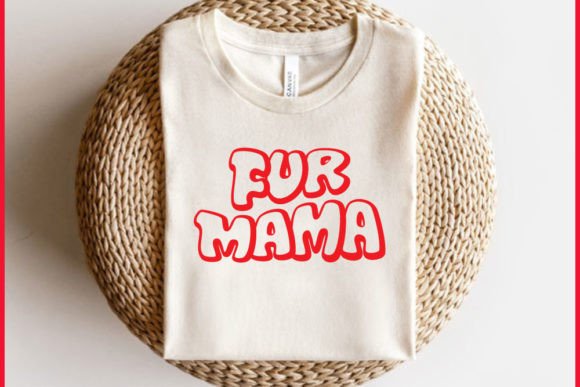
The artwork carries a clear retro vibe—think bold outlines, simplified shapes, and a slightly cartoonish but affectionate portrayal of a dog and a cat side by side. The phrase “Fur Mama” anchors the piece, making it obvious that this is aimed at pet lovers who treat their animals like family. The mood is warm, a little cheeky, and very approachable. It doesn’t try to be hyper-realistic or overly detailed, which is actually a strength for custom apparel and handmade products meant to be worn or carried often. The layout feels balanced, with the two animals forming a natural center of gravity that draws the eye without feeling cluttered. For a tote bag design or a sweatshirt embroidery placement, this kind of compact, centered composition works beautifully.
Because the design is provided as an SVG file, DXF file, PNG file, and EPS file, it lands squarely in the Graphics category rather than being a ready-to-stitch embroidery file. That means you have flexibility—you can convert it into a machine embroidery design using your preferred digitizing software, or you can use it directly for printable mockup creation, screen printing, or heat transfer. I appreciate that the pack includes multiple formats, because it allows me to test the design in different workflows before committing to a final production method. The PNG file is especially handy for quick mockups when I’m pitching ideas to clients or listing a new handmade product on my Etsy shop.
Real Case: A Custom Embroidered Tote Bag for a Client
I recently took on a project for a repeat client who wanted a personalized gift for her sister—a devoted pet owner with two rescue dogs and a cat. She asked for something that felt modern but not trendy, personal but not overly sentimental. I immediately thought of the Retro Dog-Cat T-shirt Design, Fur Mama as a strong candidate for a tote bag design. The client loved the retro aesthetic, and the phrase “Fur Mama” resonated with her sister’s identity. I digitized the SVG into an embroidery file using a medium-density fill stitch for the animals and a clean satin stitch for the lettering. The final result, stitched onto a recycled cotton tote, came out crisp and charming. The recipient teared up when she saw it—exactly the reaction you want from a personalized gift.
That project taught me a few things about this design. First, the stitch density is manageable as long as you don’t scale it too small. The bold outlines mean you can use a running stitch or a narrow satin stitch for the borders without losing definition. Second, the color palette is forgiving. I used a warm cream thread for the background fabric and a deep teal for the main elements, which gave the piece a vintage poster feel. The client’s sister later ordered a matching sweatshirt embroidery version for herself, which confirmed that this design has repeat value—something every small business owner looks for when building a craft business product line.
How It Performs Across Real Embroidery Situations
I’ve tested the Retro Dog-Cat T-shirt Design, Fur Mama on several substrates, and the results vary in ways that matter for production planning. On custom apparel like a cotton t-shirt or a sweatshirt embroidery project, the design holds up well. The bold shapes mean you don’t lose detail in the wash, and the fill stitch areas are dense enough to look solid but not so heavy that they distort the fabric. I also tried it on a baby embroidery project—a small onesie for a friend’s newborn—and it worked after I reduced the size and used a lighter stabilizer. The retro style actually looks cute on kids’ clothing, though you’ll want to keep the hoop size small and the design scaled down to avoid overwhelming the garment.
For embroidered patch applications, this design is a natural fit. The compact layout and clear outlines make it easy to stitch onto felt or twill, then cut and attach to bags, jackets, or hats. I made a set of patches for a local pet boutique, and they sold out within a week. The applique design potential is also worth exploring—you could use the SVG to cut fabric shapes and layer them with a satin stitch border for a textured, dimensional look. On caps and hats, the design needs careful hooping and a medium-weight stabilizer to prevent puckering, but the retro aesthetic works well on curved surfaces if you keep the lettering large enough to read.
I also tested it on pillow covers and tea towels for a holiday gift run. The design stitched cleanly on a linen-cotton blend, and the “Fur Mama” phrase made it a hit with pet-owning relatives. For holiday embroidery projects, you could easily swap the colors to match seasonal themes—red and green for Christmas, pastels for Easter—without losing the design’s personality. The commercial embroidery potential is solid, especially if you’re targeting pet-related markets. I’ve seen similar designs perform well at craft fair products and in Etsy listings, and this one has the same appeal.
Where to Use This Design Carefully
No design is perfect for every scenario, and Retro Dog-Cat T-shirt Design, Fur Mama has a few limitations that embroidery designers and small business owners should plan for. The first is hoop size. Because the design includes both animals and text, scaling it down too much—say, under three inches wide—will cause the lettering to become muddled and the animal shapes to lose their retro charm. I recommend testing at different sizes on scrap fabric before committing to a production run. If you’re working with a small hoop size for baby embroidery or cap projects, consider omitting the text or using a separate embroidery file for the lettering.
On stretchy fabric like jersey knit or performance wear, the design’s stitch density can cause distortion if you don’t use a cutaway stabilizer. I tested it on a lightweight t-shirt and noticed some puckering around the satin stitch areas, which I fixed by adding a layer of tear-away stabilizer underneath. For dark fabric, the design’s bold outlines help it stand out, but you’ll want to choose thread colors with high contrast—white or bright yellow on black, for example, rather than pastels. The PNG file is useful for checking contrast before you stitch, but I also recommend doing a black-and-white mockup to see how the design reads without color distraction.
Another area to be careful with is layered garments like hoodies or jackets with multiple fabric panels. The design’s compact shape means it can fit on a chest or sleeve, but you’ll need to hoop carefully to avoid shifting. I also found that the tiny lettering in the “Fur Mama” phrase can lose definition if the fabric has a heavy texture, like fleece or bouclé. In those cases, I enlarged the text slightly and increased the satin stitch width to keep it legible. For decorative accents on aprons or kitchen towels, the design works well as a centerpiece, but avoid placing it too close to seams or hems where the hoop size might not fit.
Visual Appeal, Product Value, and Customer Trust
From a visual standpoint, the Retro Dog-Cat T-shirt Design, Fur Mama creates a strong emotional connection with pet owners. The word “Fur Mama” is a term of endearment that resonates deeply in the pet community, and the retro illustration style feels timeless rather than dated. This combination adds perceived value to any handmade product or personalized gift. When I listed a tote bag featuring this design on my Etsy shop, it received more favorites and inquiries than my average listing. Customers mentioned that it looked “professional” and “like something from a boutique,” which is exactly the brand consistency and professionalism that small shop product creators strive for.
The design also supports giftability and recognition. People who see it immediately associate it with pet love, which makes it an easy conversation starter. For craft business owners, this kind of instant recognition can translate into repeat sales and word-of-mouth referrals. I’ve had customers order the same design on multiple product types—t-shirts, totes, and even a pillow cover—because they trust the quality and know the design will look good. That kind of buyer engagement is hard to achieve with generic clip art, but this design’s specific personality makes it memorable.
For digital product sellers and creative entrepreneurs, the file formats included in the pack—SVG, DXF, PNG, EPS—mean you can use it for printable mockup creation, design assets for client projects, or even as a standalone digital product. The PNG file with a transparent background is especially useful for quick mockups without digitizing. Just be aware that if you’re selling finished products featuring this design, you should confirm the commercial embroidery license terms before listing. The product description doesn’t specify license details, so I recommend checking with the seller or reading the terms carefully to avoid any issues with Etsy seller policies or small business owner rights.
Practical Designer Notes Before You Stitch
Before you commit to a production run, here are a few steps I’ve learned to take with every new embroidery project involving this design. First, test it on scrap fabric that matches your final product’s material. I always stitch a sample on a piece of the same fabric type, using the same stabilizer and thread, to check for stitch density issues, puckering, or thread breaks. Second, review the thread colors you plan to use against the fabric color. A high-contrast palette will make the retro outlines pop, while low-contrast combinations can make the design feel flat. I usually test two or three colorways before settling on the final one.
Third, confirm the hoop size you’ll need for the scaled version of the design. If you’re using a small hoop for baby embroidery or cap projects, make sure the entire design fits within the hoop area without distortion. Fourth, inspect the small details—the animals’ eyes, the lettering, the outlines—and adjust the running stitch or satin stitch settings if needed. I’ve found that increasing the stitch density slightly on the text helps it stay legible after multiple washes. Fifth, always test the design in both black-and-white mockups and color mockups to see how it reads on light fabric versus dark fabric. The PNG file is great for this, but I also use my digitizing software to simulate the final stitch-out.
Finally, if you’re using this design for commercial embroidery or selling finished products, double-check the license terms for the digital embroidery file pack. The product description doesn’t specify whether it’s for personal use only or includes commercial rights, so it’s your responsibility to clarify before you start selling. I’ve seen too many Etsy sellers run into copyright issues because they assumed a design was free for commercial use. When in doubt, contact the seller and get written confirmation. This is especially important if you’re building a craft business around custom apparel or handmade products that feature this design.
Final Thoughts on the Retro Dog-Cat T-shirt Design
The Retro Dog-Cat T-shirt Design, Fur Mama is a versatile, emotionally resonant piece of design assets that fits naturally into a wide range of embroidery project types—from tote bag design and sweatshirt embroidery to embroidered patch and baby embroidery applications. Its retro mood, balanced composition, and clear “Fur Mama” message make it an easy sell for small business owners, Etsy sellers, and creative entrepreneurs targeting pet-loving audiences. The file formats—SVG, DXF, PNG, EPS—give you the flexibility to use it as a machine embroidery design after digitizing, or as a direct graphic for printable mockup and applique design projects.
That said, it’s not a one-size-fits-all solution. You’ll need to plan for hoop size limitations, test on stretchy fabric and dark fabric with care, and always confirm the license terms before using it for commercial embroidery. The design’s bold outlines and moderate stitch density make it forgiving for intermediate-level embroidery designers, but beginners should definitely practice on scrap fabric first. If you’re a hobbyist or maker looking for a reliable, crowd-pleasing design for personalized gifts or holiday embroidery projects, this pack is a solid investment. For handmade shop owners and apparel decorators who want to add a retro pet-themed option to their product line, it’s worth the test run.
As with any digital embroidery file or graphics pack, the real value comes from how you use it. The Retro Dog-Cat T-shirt Design, Fur Mama has the potential to become a staple in your craft business if you take the time to adapt it to your specific products and audience. I’ve already recommended it to several colleagues, and I plan to keep it in my own rotation for future custom apparel and handmade product orders. If you’re on the fence, I’d say download the pack, test a stitch-out, and see how it feels in your hands. That’s the only way to know if a design truly works for your embroidery project and your customers.