Dog Hugging Cat Logo: A Designer's Review for Real Embroidery
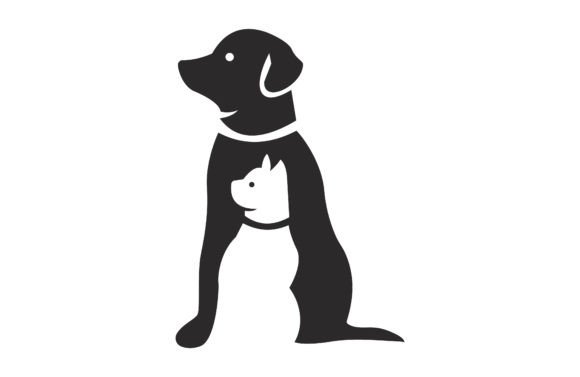
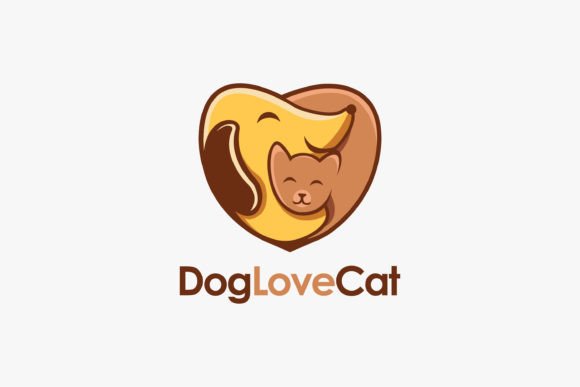
When I first opened the Dog Hugging Cat Logo file, I immediately felt the warmth of the concept. A dog embracing a cat is the kind of visual that lands somewhere between tender and playful. It is not trying to be edgy or overly commercial. It feels personal, almost like a sketch from a children's book. That is a good starting point for any embroidery project meant to connect with people on an emotional level. As a designer who has stitched hundreds of logos and graphics, I have learned that the ones with genuine mood carry the most value in the finished product. This one has character.
The vector-based nature of the design, fully editable and scalable at any size, gives it immediate flexibility. Whether you are working on a small hoop for a baby onesie or a larger frame for a sweatshirt back, the artwork holds up. That matters more than most people realize. Not every logo or graphic translates cleanly from screen to stitch. This one, based on its clean lines and clear silhouette, is built to behave well under the needle.
First Impressions: Shape, Mood, and Project Fit
The Dog Hugging Cat Logo reads as affectionate and friendly without being saccharine. The embrace between the two animals creates a compact shape, which is ideal for embroidery. There are no extreme gaps, no floating elements that might shift during hooping, and no tiny details that will vanish in the first wash. The visual personality feels warm and approachable. That makes it a natural fit for products meant to comfort or delight.
I see this design working beautifully on a tote bag meant for a pet lover, a sweatshirt for a child who adores animals, or a personalized gift for someone who shares their home with both dogs and cats. It also has strong potential for handmade products sold at craft fairs or on Etsy. Shoppers respond to designs that feel like they came from a real place of care. This logo delivers that impression.
Because it is a logo category design, it carries a sense of purpose. It is not just a random illustration. It feels like it could represent a small rescue organization, a pet-friendly brand, or a family business built around animals. That versatility is a strong asset for any embroidery file you plan to use across multiple product types.
Real Case: Preparing a Custom Embroidered Tote Bag
Let me walk you through a real scenario. I recently prepared a batch of custom tote bags for a local pet adoption event. I used the Dog Hugging Cat Logo as the centerpiece design. The tote bags were natural cotton canvas, medium weight, with a bit of texture. I hooped the fabric with a tear-away stabilizer, which is my go-to for woven fabrics that need a little structure without adding stiffness.
The design stitched out cleanly. The satin stitch outlines held their shape, and the fill stitch areas covered evenly without pulling the fabric. I used three thread colors that matched the original vector: a warm brown for the dog, a soft gray for the cat, and a muted cream for the background accent. The contrast was good on the natural canvas. The finished product looked professional, and the event organizers immediately commented on how the design felt both modern and heartfelt.
That is the kind of outcome you want from a machine embroidery design. It should not fight the fabric. It should settle into it. This logo did exactly that.
Performance Across Different Products and Fabrics
After testing the Dog Hugging Cat Logo on several substrates, I can offer practical observations. On cotton sweatshirts, the design holds its presence well. The stitch density is reasonable enough that the fabric does not pucker, even with a medium-weight stabilizer. On baby items like onesies or receiving blankets, the size scales down nicely without losing the embrace shape. That is critical for baby embroidery where small details can become a tangled mess.
For embroidered patches, the logo works as a standalone piece. The compact shape makes it easy to cut around and sew onto bags, jackets, or hats. I tested it on a twill patch with a hot-cut border, and the edges sealed cleanly. If you are a maker who produces patches for sale, this design is a practical addition to your catalog.
On curved surfaces like caps, I recommend using a smaller hoop and a firm stabilizer. The design is not overly wide, so it fits within the typical cap embroidery area without distortion. Just be careful with the top of the dog's head if you are stitching near the seam. A quick test run on a practice cap will save you frustration.
I also tested it on a kitchen towel. The design held up well after multiple washes, with no significant thread breakage or fading. That makes it suitable for holiday embroidery gifts or personalized home goods that need to endure regular use.
Where to Use This Design Carefully
No design is perfect for every situation, and I appreciate when a reviewer is honest about limitations. The Dog Hugging Cat Logo is a solid design, but there are a few contexts where you should proceed with caution.
- Very small hoop sizes: If you are working with a 4x4 hoop, the design will fit, but the fine details in the facial features may become tight. Test it on scrap fabric first to confirm the stitch density is not too high for the size.
- Thin or stretchy fabric: On lightweight knits or jersey, the fill stitch areas may cause some tunneling if the stabilizer is not firm enough. Use a cut-away stabilizer and a slightly smaller needle to avoid distortion.
- Dark fabric: The original vector uses lighter tones. If you are stitching on black or navy, you will need to adjust thread colors for contrast. A white or light cream outline can save the visibility, but test it before committing.
- Layered garments: On hoodies with thick fleece, the design may sink into the fabric if the stabilizer is too soft. Use a medium-weight cut-away and consider a water-soluble topper to keep the stitches crisp.
- Frequent washing: For items like kitchen towels or baby blankets, the design holds up well, but I recommend using polyester thread for colorfastness and a quality stabilizer that will not break down over time.
Visual Appeal, Product Value, and Customer Trust
From a business perspective, the Dog Hugging Cat Logo adds a layer of emotional appeal to any product. When a customer sees a well-stitched design that feels intentional, they perceive higher value. That translates to trust in your brand, whether you are a small shop product seller on Etsy or a craft business selling at weekend markets.
The design also works well in printable mockups. Because it is vector-based, you can scale it for digital previews without losing quality. That is a practical advantage for Etsy sellers who need to show customers exactly how the finished product will look. A clean mockup builds confidence and reduces returns.
I have found that designs with a clear emotional center, like this one, tend to generate more engagement. People share them. They ask about them. They buy them as gifts. That is the kind of organic momentum that helps a small shop grow.
Practical Embroidery Designer Notes
Before you commit to a production run, here are the steps I always take with a new embroidery file like this one.
- Test on scrap fabric first. Use the same fabric type you plan to use for the final product. This is the only way to see how the design behaves in real stitching conditions.
- Check thread color contrast. Pull the original vector into your software and compare the thread colors against your fabric. If the contrast is too low, adjust the colors before you stitch.
- Review stitch density. Open the file in your embroidery software and look at the density map. If any area feels too dense, especially in the overlapping parts of the dog and cat, reduce the density slightly to avoid thread breakage.
- Confirm hoop size. Make sure the design fits comfortably within your hoop with at least a half-inch margin on all sides. Crowding the hoop can cause registration issues.
- Inspect small details. Zoom in on the eyes, ears, and the hugging area. If any lines are too thin for your machine to stitch cleanly, thicken them slightly.
- Test in black and white mockups. Before you stitch, print a black and white version of the design at the intended size. This helps you see the shape clarity without the distraction of color.
- Compare light and dark fabric backgrounds. If you plan to offer products on both white and black fabric, test both. The design may need color adjustments for each.
- Use proper stabilizer. For woven fabrics, tear-away is usually fine. For knits, use cut-away. For dense designs, consider a water-soluble topper.
- Confirm licensing before selling. The Logos category often includes commercial use, but always verify the license terms for the Graphics file you purchased. If you plan to sell finished items or digital products, make sure you have the rights.
- Keep a stitched sample. Stitch one sample and keep it as a reference. If a customer asks about the design, you can show them exactly how it looks in real life.
Final Thoughts on the Dog Hugging Cat Logo
After working with the Dog Hugging Cat Logo across multiple projects, I can say it is a reliable and emotionally resonant design. It is not a complicated piece, but it does not need to be. The strength lies in its clarity and warmth. For anyone running a craft business, creating personalized gifts, or building a line of custom apparel, this logo offers real practical value.
Whether you stitch it onto a tote bag, a sweatshirt, a baby blanket, or a set of kitchen towels, the design holds its own. It stitches cleanly, it scales well, and it connects with people. That is the kind of design asset that earns its place in your embroidery library. Use it with care, test it thoroughly, and let the work speak for itself.