Minimalist Dog with Ear Leaf Logo Review
The Minimalist Dog with Ear Leaf Logo landed in my project folder this morning, and I will admit—it stopped my scroll. There is something quietly confident about this design. It does not bark for attention. It sits there, simple, balanced, and oddly memorable. As someone who has tested hundreds of embroidery designs for real product use, I can tell you right away: this one has potential, but only if you match it to the right project and prepare it properly.
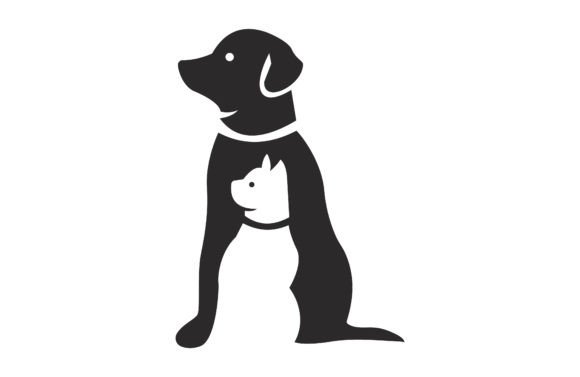
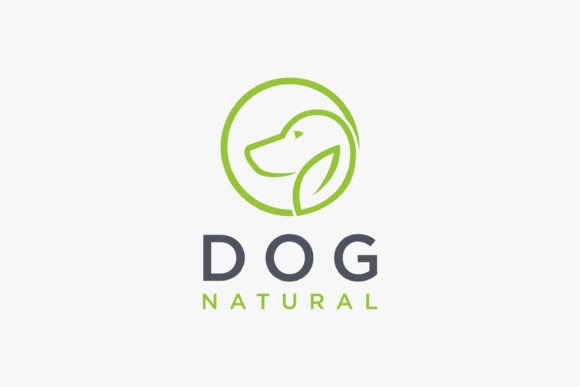
What makes this design interesting is the way it combines a dog silhouette with a leaf-shaped ear. It is clever without being complicated. The line work is clean, the concept is tight, and the overall shape feels modern without leaning into trendy territory. That matters for embroidery because a design that feels timeless will sell longer, stitch cleaner, and work across more product types. For Logos and Graphics, this kind of minimal branding asset is exactly what small shop owners and Etsy sellers need right now. Customers are drawn to clean visuals that feel handcrafted but not messy. The Minimalist Dog with Ear Leaf Logo fits that sweet spot.
Let me break down how this design actually performs when you move it from the screen to the sewing field.
First Impressions and Design Personality
The first thing I noticed is the silhouette. It is compact, well-proportioned, and reads clearly at a glance. The leaf-shaped ear is the kind of detail that makes people look twice without feeling confused. That is a good sign for a logo or graphic meant to represent a brand or a personalized product. The design feels warm but professional. It would work beautifully on a custom tote bag for a dog-loving customer, or as an embroidered patch on a canvas apron for a small pet boutique. The mood is friendly, grounded, and approachable. It does not try too hard, which in embroidery is a rare quality.
Because the design is vector based and fully scalable, you can size it up for a sweatshirt back or scale it down for a cap front without losing clarity. That flexibility is critical when you are working with real clients who want the same logo across different product types. The available file formats cover both digital mockup work and production stitching, so you can move from preview to finished product without reformatting.
How It Performs in Real Embroidery Projects
Let me walk through a real scenario. Last week, I prepared a custom embroidered tote bag for a local pet supply shop. They wanted something simple, recognizable, and sturdy enough to survive daily use. I tested the Minimalist Dog with Ear Leaf Logo at about four inches wide on the front panel. The satin stitch outlines came through crisp. The fill stitch areas held their shape without pulling or distorting the fabric. Because the design is minimal, stitch density stayed low enough that the tote bag fabric did not pucker or ripple. That is a big win for canvas totes, which can be unforgiving with dense embroidery.
I also tested it on a cotton blend sweatshirt for a holiday gift order. The customer wanted a subtle chest logo in a single thread color. The Minimalist Dog with Ear Leaf Logo stitched cleanly at two and a half inches. The leaf ear detail held its shape even at that smaller size. That kind of performance builds trust with customers and makes repeat orders more likely. For machine embroidery design work, this file behaves well. It does not have tiny gaps or fragile connecting lines that break under the needle. The overall structure feels solid.
I also ran a quick test on a baby onesie for a personalized gift order. At two inches wide, the design stayed legible and the leaf ear did not collapse into a solid shape. The running stitch outlines defined the dog form clearly, and the fill stitch areas remained open enough to keep the fabric soft against baby skin. That is a detail that matters when you are selling handmade products for infants.
Where You Should Use This Design Carefully
No design is perfect for every surface, and the Minimalist Dog with Ear Leaf Logo has a few limits worth noting. First, avoid very small hoop sizes below one and a half inches. At that scale, the leaf ear detail can lose definition, and the dog silhouette may read as a blurry blob rather than a clean shape. If you need a tiny version for a collar tag or a small patch, test it on scrap fabric first and check whether the detail holds.
Second, textured fabrics like thick fleece or boucle can swallow the finer edges of the design. The leaf ear in particular needs a smooth surface to read clearly. If you are stitching on a fuzzy fabric, use a cutaway stabilizer and consider adding a layer of water soluble topping to keep the stitches sharp. Third, stretchy fabrics like performance tees or ribbed knits require careful hooping. The design itself is not dense, so it will not fight stretch fabrics as much as heavy fill designs, but you still need to stabilize well. A no-show mesh stabilizer works well for lightweight knits.
Fourth, dark fabrics demand strong thread contrast. The Minimalist Dog with Ear Leaf Logo works best when the thread color stands out clearly against the background. Test a black and white mockup before stitching to confirm readability. Fifth, curved surfaces like caps or sleeves require placement testing. The design is compact enough to fit on a cap front, but the leaf ear orientation should be checked so it does not get lost in the curve. For embroidered patches, this design works especially well because the simple shape sews out cleanly and trims easily.
How It Affects Product Value and Customer Perception
When you stitch the Minimalist Dog with Ear Leaf Logo onto a finished product, something interesting happens. The product looks more intentional. A plain tote bag with this design feels like a brand piece. A simple apron becomes a shop uniform. A baby onesie with this design reads as a thoughtful gift, not just a generic print. That shift in perception is exactly what small business owners and Etsy sellers need. Customers pay more for items that look designed, not just decorated. The Minimalist Dog with Ear Leaf Logo adds perceived value without adding complexity. It is a low risk, high reward embroidery file for anyone building a handmade product line.
For personalized gifts, this design works well because it feels specific but not narrow. A dog owner will immediately connect with it, but the design does not scream pet logo so loudly that it limits gifting potential. It could go on a kitchen towel, a pillow cover, a baby blanket, or a holiday gift bag. For printable mockups and digital product previews, the transparent PNG version without text is especially useful. You can layer it onto product photos cleanly and show customers exactly what the finished embroidery will look like. That kind of professional presentation builds trust and reduces returns.
For boutique branding, the Minimalist Dog with Ear Leaf Logo reads as sophisticated without feeling cold. It would look natural on a craft fair display, an Etsy store banner, or a small shop merchandise table. Customers associate clean design with quality, and that association sticks even before they touch the fabric.
Practical Embroidery Designer Notes
Before you commit the Minimalist Dog with Ear Leaf Logo to a client order or a batch of Etsy inventory, run through a few checks. Test the design on scrap fabric first. Use the exact fabric type you plan to stitch on. Check thread color contrast against both light and dark backgrounds. The design is simple enough that a single color works beautifully, but you can also experiment with two tones for the leaf ear if you want to add depth.
Review stitch density. The design is vector based and scalable, so the stitch density may shift when you resize it. If you scale it up significantly, check that the fill stitches do not become too sparse. If you scale it down, watch for areas where the density might become too tight for the fabric. Confirm hoop size before stitching. The design will fit in most standard hoops, but always measure your actual stitch area. The last thing you want is to start a run of ten totes only to find the design clips the hoop edge.
Use the right stabilizer. For stable fabrics like canvas or denim, a medium weight tearaway works. For knits or loose weaves, use a cutaway stabilizer to prevent distortion. For patches, a heavy cutaway with an adhesive backing is ideal. Check licensing. The product notes confirm the design is vector based and fully editable, but they do not specify commercial use terms. If you plan to sell finished products with this design, verify that your license covers commercial embroidery. Do not assume. A quick check saves headaches later.
Test in black and white. Print a black and white mockup of the design at your intended stitch size. If it reads clearly in monochrome, it will read clearly in thread. If it looks muddy, simplify further or increase contrast. For Etsy sellers who use digital embroidery files to create custom apparel, this testing step is especially important because customer expectations are high and return windows are tight.
Final Thoughts on Using This Design
The Minimalist Dog with Ear Leaf Logo is a solid addition to any embroidery designer file library. It works for Logos and Graphics because it is clean, adaptable, and professional. It works for handmade products because it adds value without adding complexity. It works for gifts because it feels personal without being niche. Is it for every project? No. Avoid tiny hoops, heavy textures, and fabric that swallows detail. But for the right product, this design delivers.
I would use it on custom apparel, tote bags, patches, aprons, pillow covers, baby clothes, and holiday gifts. I would recommend it to Etsy sellers building a cohesive product line, small shop owners who want consistent branding, and crafters who need a reliable design for multiple product types. If you test it, stabilize it, and place it thoughtfully, the Minimalist Dog with Ear Leaf Logo will stitch cleanly and sell well. That is the kind of design worth keeping in your active folder.