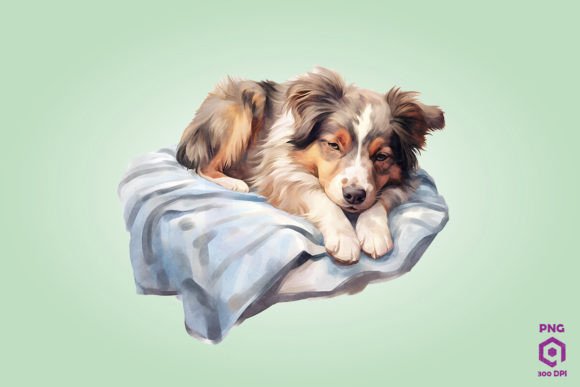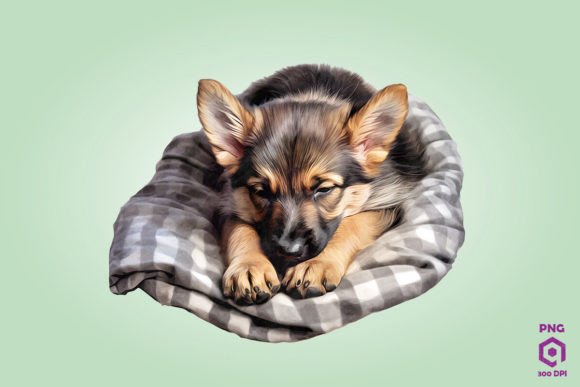
Sleeping German Shepherd Dog 1 Design Review
When you run a craft business or stitch custom orders, every embroidery design has to earn its place in your rotation. It needs to stitch cleanly, read well on fabric, and connect with the person receiving it. I recently worked with Sleeping German Shepherd Dog 1 on a custom tote bag for a client who wanted something personal for her mother’s birthday. That project gave me a practical sense of what this design can do in real embroidery work. Here is my honest review as a designer who has put hundreds of designs through the hoop.
First Impressions: Calm Mood in a Solid Shape
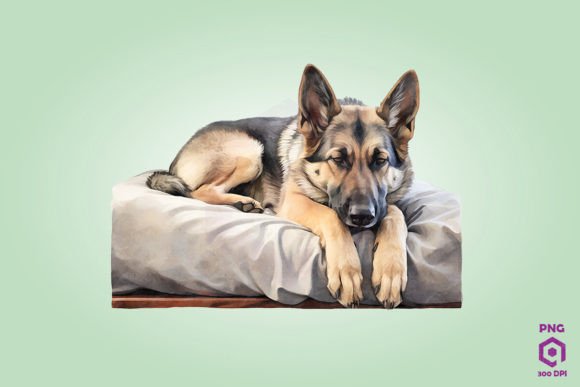
The first thing that stood out about Sleeping German Shepherd Dog 1 is its restful, quiet mood. This is not a high-action pose or a detailed portrait with many thread colors. It is a single clean shape of a dog curled up and sleeping. The silhouette reads clearly as a German shepherd without needing much internal detail. That is smart for embroidery, where too much complexity turns into a mess at smaller sizes.
The design sits well within itself. There is no awkward negative space or floating elements. The curve of the body, the tucked tail, and the relaxed ear position all feel natural. For a machine embroidery design, that kind of solid shape means good coverage and fewer stitching headaches. It feels like a design built with embroidery in mind, not just drawn on screen.
Because it is a cohesive form, Sleeping German Shepherd Dog 1 works well alone or as part of a larger layout. If you are stitching a sweatshirt with a name above the design or a tote bag with a quote underneath, the shape gives you room to play with placement without crowding.
Where This Design Fits in Real Projects
I tested Sleeping German Shepherd Dog 1 on several product types to see where it performs best. On custom apparel like sweatshirts and t-shirts, the sleeping pose feels gentle and endearing. It suits dog-loving customers who want something subtle but meaningful. The design stitches well on cotton, cotton-poly blends, and fleece with proper stabilizer.
Tote bags and aprons are where this design really shines. The solid shape holds up on canvas and twill, and the calm mood fits the everyday utility of those products. I used it on a heavy cotton tote with medium-weight cutaway stabilizer, and the result was crisp and professional.
For baby embroidery, the sleeping dog works beautifully on onesies, receiving blankets, or small wall hangings. Just watch your hoop size for baby items since many are small. The design also makes a strong embroidered patch. You could sew it onto jackets, backpacks, or pet accessories. If you are an Etsy seller making custom patches, this is a design worth keeping in your digital embroidery file library.
Holiday and gift items also benefit from the design’s universal appeal. A sleeping dog feels warm and personal, whether on a pillow cover, tea towel, or simple keychain. It photographs well too, which means your printable mockups and listing images will look professional.
Watch Points Before You Stitch
No design is perfect for every situation. Sleeping German Shepherd Dog 1 has a few areas worth noting. In small hoop sizes like 4x4, the design may lose visual impact. The sleeping pose relies on a gentle curve and sense of scale. Squeezed too small, the shape might not read clearly. I recommend a 5x7 hoop or larger for best results, but test it in your own setup.
Stitch density can be moderate to high depending on how the file was digitized. If you are using a design from this Illustrations category, check the stitch count before stitching. Dense fills can cause puckering on lightweight fabrics like thin cotton or silk. On textured fabrics like heavy fleece or boucle, details may get lost. The design works best on smooth or medium-texture fabric where thread shows its shape clearly.
On stretchy fabrics like jersey, use a stabilizer that can handle movement. A sticky-back stabilizer or cutaway with a topper helps prevent distortion. On dark fabric, make sure your thread colors are light enough to stand out. A dark gray or black thread on a black shirt will disappear.
How It Affects Product Value and Customer Trust
Customers respond to embroidery that feels thoughtful. Sleeping German Shepherd Dog 1 has a quiet charm that does not scream for attention, and that often creates stronger emotional connection. When someone buys a handmade product with this design, they are getting a moment of calm. That matters for giftability and perceived value.
For a small shop product or Etsy listing, the design’s simplicity works in your favor. It photographs cleanly because the shape is clear and the thread colors read well. That builds trust. Poor digitizing or messy stitching erodes trust fast. From a brand consistency angle, this design fits a gentle, earthy, or pet-focused identity. It is not cartoonish or overly cute, but warm and realistic. That middle ground is hard to find and valuable.
The design also works for commercial embroidery if the license allows. A sleeping German shepherd could work for a dog daycare, grooming shop, or pet sitter’s uniform. Confirm the licensing terms before selling finished items or digital products from this Graphics category.
Practical Designer Notes Before You Start
Here are the things I check every time I work with a new design, and what I recommend for Sleeping German Shepherd Dog 1:
- Test on scrap fabric first. Stitch a sample on similar fabric before committing to the final product. Adjust tension, stabilizer, and thread choice based on what you see.
- Check thread color contrast. Lay your thread spools on the fabric and step back. Does the design read clearly? If not, choose a lighter or darker shade. Earthy tones like tan and brown work naturally, but single-color stitching can also look modern.
- Review stitch density. If the density is high, use a heavier stabilizer or slower stitch speed to prevent puckering. Medium density usually gives good coverage without stiffness.
- Confirm hoop size. Make sure your hoop is large enough without crowding the edges. A 5x7 hoop is a safe bet for most applications.
- Inspect small details. If the design has fine lines or narrow sections, check that they stitch cleanly at your intended size. Satin stitch details need enough width to avoid breaking.
- Test in black and white mockups. Print the design in grayscale to see how it reads without color. If it stays clear, that is a good sign for embroidery where contrast matters most.
- Compare light and dark fabric backgrounds. The same design can look very different on white versus black fabric. Stitch a sample on both if you plan to offer the design on multiple product colors.
- Use proper stabilizer. For medium-weight fabrics, cutaway stabilizer is my go-to. For stretchy fabrics, sticky-back or cutaway with a topper works best.
- Confirm licensing. If you are selling finished items or using the design commercially, verify the license terms. Some designs in this category have restrictions, others allow unlimited use. Know before you sell.
Final Thoughts
Sleeping German Shepherd Dog 1 is a thoughtful addition to any embroidery designer’s library. It is not flashy, but it does what a good machine embroidery design should do: it stitches cleanly, reads well on fabric, and connects with the people who see it. Whether you are making a personalized gift, building craft fair inventory, or adding to your Etsy shop, this design has staying power. Test your setup, choose your fabric wisely, and confirm your hoop size. With a little preparation, it can become a reliable piece in your rotation, and reliable designs are the ones that keep customers coming back.