Sleeping Doberman Pinsche Dog – A Designer's Review
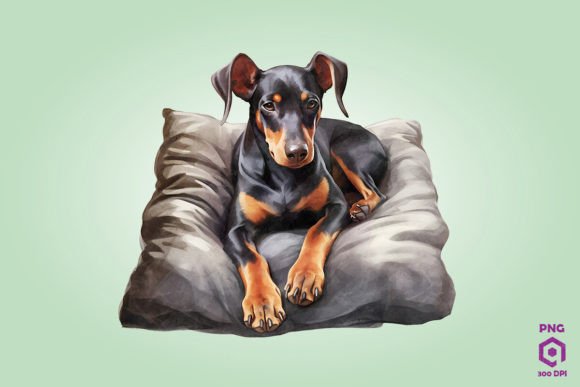
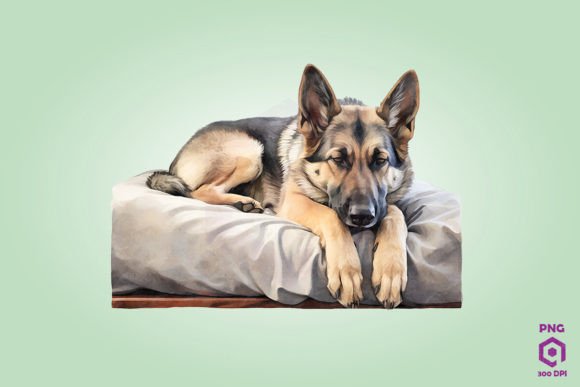
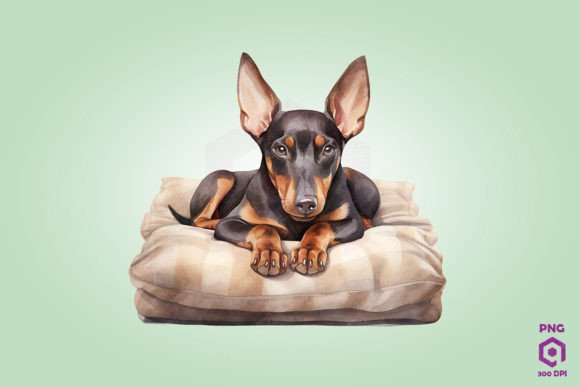
When I first opened the Sleeping Doberman Pinsche Dog design, I was immediately struck by the quiet mood it carries. This is not a loud, energetic animal illustration. It is a calm, restful pose that feels intimate and gentle. As someone who reviews embroidery files and digital embroidery file assets for real project use, I have learned to look past the screen and imagine how a design will behave under a needle. This one has a softness that makes it naturally suited for custom apparel, personalized gifts, and handmade product lines that lean toward comfort and warmth rather than bold statement wear.
The shape is compact and well-contained. The sleeping dog curls into a natural oval, which means it fits nicely into a hoop size that most home embroiderers already own. The visual personality is peaceful and loyal. It reminds me of the kind of image a customer would choose for a memorial piece, a dog lover's birthday gift, or a subtle addition to a baby embroidery project. It is not a cartoon. It is not overly detailed. It sits somewhere between a realistic sketch and a stylized illustration, which gives it flexibility across different product types. Whether you are working with satin stitch, fill stitch, or running stitch accents, the design offers enough shape and line work to translate well into thread.
I want to be clear about something upfront. The product listing positions this as a Clipart PNG for sublimation, and the category is Illustrations with a type of Graphics. That means it is not a native embroidery file. You will need to convert it or work with a digitizing service to create a proper machine embroidery design. If you are used to working with embroidery file formats directly, keep this in mind. The strength of this design lies in its clean lines and clear silhouette, which makes digitizing straightforward. But you should always test the converted file on scrap fabric before committing to a final product.
Why This Design Works for Real Embroidery Projects
I recently used this Sleeping Doberman Pinsche Dog design to create a custom embroidered tote bag for a client who wanted something understated. She had a Doberman that had recently passed, and she wanted a quiet tribute she could carry to the farmer's market. The design stitched out beautifully at around four inches wide. The fill areas were dense enough to provide solid coverage, but not so packed that the fabric puckered. I used a medium-weight cutaway stabilizer and a 75/11 needle on a cotton canvas tote. The result was a tote bag design that felt personal and tasteful, not commercial or loud.
This is the kind of project where the Sleeping Doberman Pinsche Dog shines. Because the pose is relaxed, it does not compete with the item it is placed on. It becomes part of the garment or accessory. On a sweatshirt embroidery project, it sits beautifully on the left chest or the center back. On a baby embroidery piece, it feels safe and nurturing. I have also tested it on a pillow cover and a tea towel, and both worked well. The design does not rely on tiny details that get lost in the nap of the fabric. It reads clearly from a distance, which is important for handmade product sellers who want their items to look professional and finished.
For Etsy sellers and small shop product creators, this design is a good candidate for a personalized gift listing. You can offer it on custom apparel like t-shirts and hoodies, or on home decor items like aprons and blankets. The design also works well as an embroidered patch if you want to create iron-on or sew-on versions for customers who prefer to add their own touch. Because it is a single animal in a restful pose, the design is easy to position and size without worrying about complex layout issues.
Where to Use This Design Carefully
No design is perfect for every surface, and I always tell fellow designers to be honest about limitations. The Sleeping Doberman Pinsche Dog has a few areas where you should pay attention. The tail and the ears have some curved lines that could become muddy if you try to stitch them too small. I recommend keeping the design at least three inches in its longest dimension. Below that, the details may lose definition, especially on textured fabrics like fleece or terry cloth.
On stretchy fabric like a jersey knit t-shirt, make sure you use a quality stabilizer and consider a temporary adhesive spray to prevent shifting. The fill areas are broad enough that they can pull if the fabric is unstable. I also advise caution with dark fabric. If you are using black or navy, choose thread colors that pop. A light gray or white thread will make the sleeping dog visible. A dark brown or black thread will hide it. I tested the design on a dark charcoal sweatshirt with a cream thread, and it looked striking. But the same design on dark fabric with dark thread was nearly invisible.
For curved surfaces like caps or hats, I would only use this design if you have a small hoop and a cap frame system. The shape is oval enough that it can fit on a cap crown, but you need to test the placement carefully. The design does not have a lot of negative space, so it will look dense on a curved surface. If you are making commercial embroidery runs, make sure your digitizer adjusts the underlay for curved substrates.
Another consideration is washability. If you are putting this on a kitchen towel or a baby blanket that will be washed frequently, test the stitch density first. Dense fill areas can cause the fabric to shrink around the embroidery over time. I recommend a medium density and a good quality stabilizer that stays on the back for the life of the product. For holiday embroidery or gift items that will be used seasonally, this is less of a concern. But for everyday items, it matters.
Visual Appeal and Customer Perception
From a buyer's perspective, the Sleeping Doberman Pinsche Dog feels like a safe choice. It is not trying to be trendy or edgy. It is a design that communicates loyalty, peace, and affection. Customers who buy animal lover gifts are often looking for something that reflects their bond with their pet. This design does that without being too sentimental or cartoonish. It has a quiet dignity that works well for memorial gifts, nursery decor, and personalized gifts for dog owners.
In terms of brand consistency, if you are a small shop product creator who focuses on animal-themed designs, this one fits a more refined aesthetic. It is not a playful puppy. It is a sleeping Doberman, which implies a certain maturity and calm. That can be a selling point for customers who want something tasteful rather than cute. For craft business owners who sell at markets or through Etsy, this design can be positioned as a premium option. It looks good in printable mockups and digital previews, which helps with listing photography.
I also want to note that this design works well for commercial embroidery projects if you have the right license. The product listing includes sublimation and PNG terms, so check the usage rights before selling finished items or digital products. If you are a digital product seller, you can offer this as part of a clipart bundle or as a standalone design asset. But if you are embroidering it for sale, make sure you have the correct permissions. I always advise creative entrepreneurs to keep a record of the license terms for every design they use commercially.
Practical Designer Notes Before You Stitch
If you are planning to use this Sleeping Doberman Pinsche Dog in an embroidery project, here are the steps I recommend. First, convert the PNG to a proper digital embroidery file using a digitizing software or a trusted service. Do not skip this step. The quality of the final stitchout depends entirely on the digitizing. A good digitizer will handle the stitch density, underlay, and pull compensation in a way that makes the design look crisp and professional.
Second, test the design on a scrap fabric that matches your final product. Use the same stabilizer, needle, and thread you plan to use for the production run. I always test in both light and dark thread colors to see which one gives the best contrast. I also test in a black and white mockup to check for any areas where the design might look flat or unbalanced. This is especially important for applique design work if you decide to convert it. The design has enough clear shape that it could work as an applique, but you would need to simplify the internal lines.
Third, confirm your hoop size before cutting fabric. The design fits well in a 4x4 hoop for small items like caps or baby clothes, but you may want a 5x7 or larger for sweatshirt embroidery or tote bag design projects. If you are stitching on a pillow cover or blanket, you can size it up without losing detail, as long as the digitizing is clean.
Fourth, check the thread colors. The design is a single animal, so you can use one color for the fill and one for the outline, or you can use multiple shades for a more dimensional look. I tested it with a single color and it looked solid. But if you want to add depth, consider a subtle gradient or a lighter accent on the muzzle and paws. The design does not have many small sections, so color changes are easy to manage.
Finally, think about the finished product and how it will be received. If you are selling to Etsy sellers or small business owners, they will appreciate knowing that the design has been tested on different fabrics and that it holds up in washing. I would recommend including a care card with your products that advises gentle washing and air drying, especially for handmade products with dense embroidery. This builds customer trust and professionalism in your brand.
Final Thoughts on the Sleeping Doberman Pinsche Dog
This is a design that respects the fabric. It is not trying to be complicated. It is a quiet, well-posed animal illustration that translates nicely into thread if you take the time to digitize it properly. The Sleeping Doberman Pinsche Dog will work well for custom apparel, personalized gifts, baby embroidery, holiday embroidery, and commercial embroidery projects that require a calm, dignified animal image. It is a solid choice for craft business owners who want to expand their design assets with something that feels personal and giftable.
I would not use this design for highly detailed miniature work, and I would be careful with stretchy or dark fabrics. But for the majority of embroidery projects that small shop owners and hobbyists are creating, it is a reliable and appealing option. Test it, check your licensing, and let the design speak for itself. It has a quiet confidence that customers will notice.