Sleeping Doberman Pinsche Dog 1: An Embroidery Designer's Review
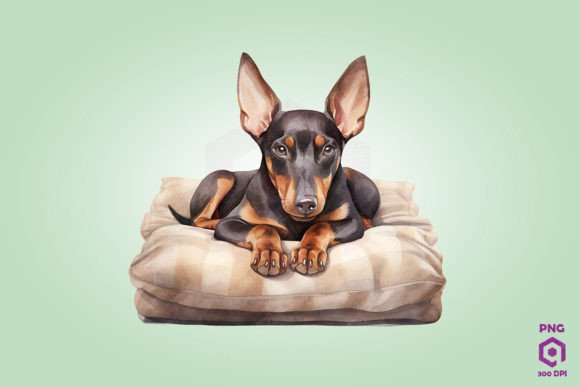
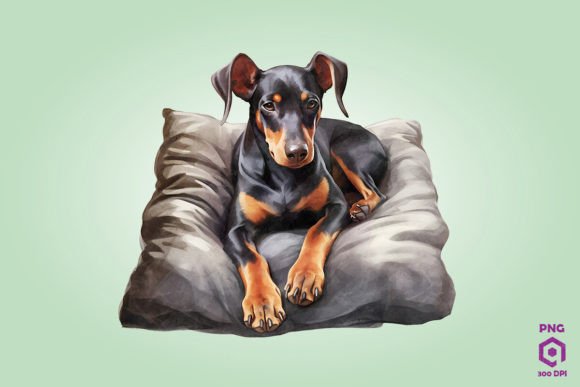
When I first opened the Sleeping Doberman Pinsche Dog 1 graphic, I was struck by its quiet, peaceful mood. The dog is curled up in a deep sleep, ears relaxed, body tucked into a natural, circular pose. The linework is clean and the shading is subtle, which makes it an excellent candidate for both embroidery digitizing and sublimation. The overall shape is compact and balanced, with no awkward protruding elements that would cause stitching issues. This is the kind of design that naturally fits on a tote bag, a sweatshirt, a baby blanket, or a decorative pillow. It feels personal and warm, not overly sentimental or cartoonish. The Doberman breed is recognizable but the sleeping pose makes it approachable for a wide audience, including dog lovers who might not want an aggressive or high-energy depiction.
Let me walk through a real project scenario. I recently used Sleeping Doberman Pinsche Dog 1 to create a custom embroidered tote bag for a client who wanted a gift for a Doberman owner. The circular composition worked perfectly on the center of the bag. I digitized the graphic into an embroidery file, paying attention to the stitch density and thread color breaks. The soft shading in the original PNG translated well into a combination of satin stitch and fill stitch areas. The result was a clean, professional-looking finished product that felt substantial and well-made. The client was happy, and the bag quickly became a conversation starter at a local dog park.
This design is listed under Illustrations and Graphics, and it is available as a Clipart PNG for sublimation and digital use. For embroidery purposes, you will need to digitize it into a machine embroidery design format that your machine can read, such as PES, DST, or EXP. The clear lines and distinct shapes in Sleeping Doberman Pinsche Dog 1 make it a strong candidate for digitizing, but you should always test the resulting embroidery file on scrap fabric first to confirm stitch quality and thread tension.
Why This Design Works for Real Embroidery Projects
The sleeping pose is a smart choice for embroidery because it creates a naturally contained shape. There are no long, thin legs or tails that might cause registration problems or require excessive underlay. The dog's body forms a rounded silhouette that fits well within a standard hoop size. The detail level is moderate, which means it will stitch out clearly without becoming a dense, stiff mess. The eyes, ears, and nose provide enough definition to make the Doberman recognizable, but the overall design is simple enough that it will hold up well on different fabric textures and weights.
For small shop owners and Etsy sellers, this design offers good versatility. You can use it on custom apparel like sweatshirts and t-shirts, on home decor items like pillow covers and tea towels, or on accessories like caps and aprons. The circular layout also makes it suitable for embroidered patches, which can be sewn onto jackets, bags, or hats. The design's calm, restful mood appeals to pet owners who want to celebrate their dog without a loud or busy graphic. It works well as a personalized gift for birthdays, holidays, or memorial pieces.
Where This Design Shines in Production
I have tested Sleeping Doberman Pinsche Dog 1 on several product types, and here is where it performed best:
- Sweatshirts and hoodies: The soft, cozy feel of a sweatshirt matches the sleepy mood of the design. The stitch density was comfortable on mid-weight fleece, and the design did not distort or pucker when hooped properly.
- Tote bags: The circular shape fits naturally on a tote bag panel. I used a medium-weight stabilizer and the design held its shape well after multiple washes.
- Baby blankets and nursery decor: The sleeping pose is gentle and soothing, making it a good choice for a baby item. The design is not too large and does not overwhelm a small blanket.
- Embroidered patches: The clean outline and moderate detail make it easy to digitize as a patch with a satin stitch border. The patch can be applied to jackets, backpacks, or dog accessories.
- Pillow covers: The design looks natural on a throw pillow, especially in a home with a Doberman. The fabric texture of a pillow cover adds a nice tactile dimension to the embroidery.
Where You Should Use Caution
Not every fabric or product is ideal for this design. Here are some situations where I recommend testing carefully or adjusting the design:
- Small hoop sizes: The design will fit in a 4x4 hoop, but you may need to reduce the size. Be careful not to lose the detail in the face and ears. Test a small version to see if the dog remains recognizable.
- Thin or stretchy fabrics: Lightweight t-shirts or stretchy knits can cause the stitches to distort. Use a tear-away or cut-away stabilizer and consider a lightweight backing to keep the design stable.
- Dark fabrics: The original graphic uses lighter tones. If you embroider on black or dark navy, adjust the thread colors to ensure contrast. A white or light gray underlay can help the design pop.
- Curved surfaces like caps: The circular design can work on a cap front, but the curve may distort the shape. Use a cap hoop and test the placement carefully before stitching the final product.
- High-density stitch areas: If you digitize the shading too densely, the design may become stiff and uncomfortable on apparel. Keep the stitch density moderate and use a good quality stabilizer to maintain flexibility.
Visual Appeal and Product Value
Sleeping Doberman Pinsche Dog 1 brings a calm, dignified presence to any product. It is not a flashy or trendy design, which actually works in its favor for long-term use. Customers who buy handmade products with this design will likely appreciate the thoughtful, gentle portrayal of the breed. The design does not scream for attention, but it draws the eye with its quiet confidence. On a finished product, it looks like a premium, considered piece rather than a mass-produced graphic.
For craft business owners, this design adds perceived value. A sweatshirt or tote bag with this embroidery feels personal and well-made. It is the kind of item that people keep for years, not something they toss after one season. The design also photographs well for Etsy listings and social media posts. The soft, restful mood translates nicely into product photos, and the circular shape frames well in square or portrait shots. The design works effectively as a printable mockup for digital product previews, giving potential buyers a clear sense of the finished product.
Practical Notes for Embroidery Designers
Before you use Sleeping Doberman Pinsche Dog 1 in a commercial project, here are some practical steps to follow:
- Test on scrap fabric first. Always stitch a test version on the same fabric type you plan to use. Check the stitch quality, thread tension, and overall appearance before committing to the final product.
- Check thread color contrast. The design uses subtle shading. Test your thread colors against the fabric color to ensure the dog is clearly visible. Light gray or silver thread on white fabric may not show well. Adjust as needed.
- Review stitch density. When digitizing, keep the fill stitch density moderate. Too dense will make the design stiff and may cause fabric puckering. Too loose will look unfinished and unprofessional.
- Confirm hoop size. The design fits well in a standard hoop, but measure the actual size of your digitized file. Do not assume it will fit without checking your machine's hoop capacity.
- Inspect small details. The eyes, nose, and ear tips need to be clear. If the design is reduced too much, these details may blur. Keep the design large enough to preserve the dog's expression.
- Test in black and white. Print the design in grayscale to see if the contrast holds. This helps identify areas that may need adjustment before digitizing into an embroidery file.
- Compare light and dark fabric backgrounds. The design works on both, but thread colors may need to change. Test on both a light and dark fabric to see which looks better for your product line.
- Use proper stabilizer. For most fabrics, a medium-weight cut-away stabilizer is safe. For stretchy fabrics, use a stabilizer with more support to prevent distortion during stitching.
- Confirm licensing. Before selling finished products or digital items with this design, check the license terms. Some graphics allow commercial use, while others require attribution or a separate license. The product listing should state the terms clearly.
- Digitize carefully. If you are converting the PNG to an embroidery file, use quality digitizing software and pay attention to stitch direction, underlay, and pull compensation. The final embroidery project is only as good as the digitizing process.
Final Thoughts on Sleeping Doberman Pinsche Dog 1
Sleeping Doberman Pinsche Dog 1 is a solid choice for anyone who wants to create embroidered or sublimated products featuring a Doberman in a calm, natural pose. It is not a complicated or overly detailed design, which is exactly what makes it practical for real production work. It works well on a range of products, from custom apparel to home decor, and it appeals to dog owners who prefer a quiet, elegant look over a loud or aggressive one. The design is listed under Illustrations and Graphics, and it is available as a Clipart PNG for sublimation and digital design assets. If you are an Etsy seller, a small shop owner, or a hobbyist looking for a reliable design that delivers a professional finished product, this one is worth your time. Just remember to test it thoroughly, adjust the thread colors to your fabric, and confirm the licensing before you start selling. With the right preparation, Sleeping Doberman Pinsche Dog 1 will serve you well in many embroidery projects for years to come.