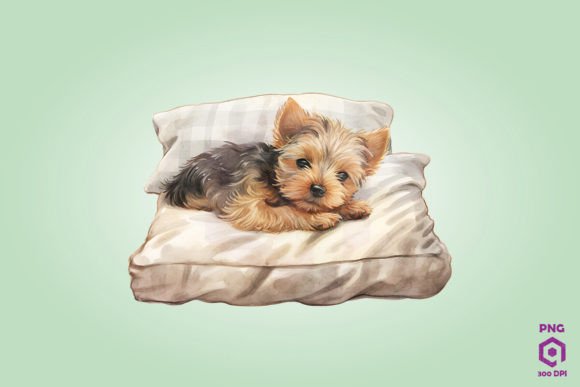
Sleeping Yorkshire Terrier Dog: A Designer’s Field Test
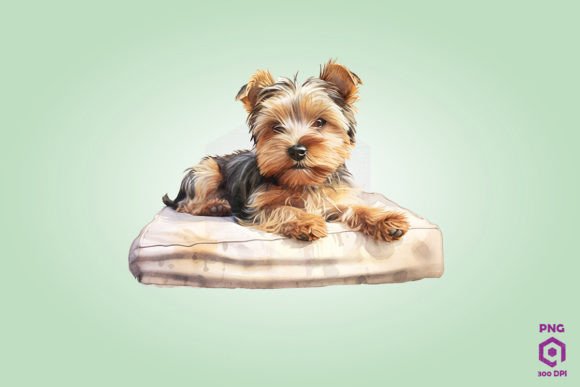
When I first opened the Sleeping Yorkshire Terrier Dog design, I was struck by how quietly confident it feels. This isn’t a loud, in-your-face graphic. It’s a calm, restful pose — a small dog curled into itself, ears relaxed, features soft but still clearly a Yorkie. As someone who has stitched hundreds of pet portraits and animal-themed projects, I know that capturing a sleeping animal well is harder than it looks. This one gets the proportions right. The head tucks naturally, the body curves into a compact oval, and the overall silhouette reads instantly as a tiny terrier at rest. That kind of clarity matters when you’re translating a digital graphic into thread and fabric.
The mood here is gentle, cozy, and personal. It’s not trying to be funny or dramatic. It’s the kind of design that makes someone smile quietly — maybe thinking of their own dog curled up on the sofa. That emotional resonance is exactly what small shop owners and Etsy sellers need for products that feel handcrafted and heartfelt. Whether you’re making a custom tote bag, a baby onesie, or a holiday gift, this design brings a sense of warmth without being overly sentimental.
First Impressions: Shape, Detail, and Project Fit
The Sleeping Yorkshire Terrier Dog graphic has a naturally rounded composition. The dog’s curled body forms an almost circular shape, which makes it easy to place on a variety of items without awkward cropping or wasted space. The detail level sits in a sweet spot: enough to show the Yorkie’s typical silky ear shape and petite snout, but not so dense that it becomes a thread-hogging monster. For a machine embroidery project, that balance is crucial. You want the design to feel complete and recognizable without turning into a high-stitch-count headache.
Because this is listed under Illustrations and offered as Graphics, it’s worth noting that the digital file itself is a PNG, which means it’s ready for sublimation, printable mockups, and digital previews. If you’re an embroidery designer planning to use it for stitching, you’ll need to convert it to an embroidery file format compatible with your machine. That extra step is straightforward, but it’s something to factor into your workflow. I always recommend testing any converted design on scrap fabric before committing to a finished product.
Real-Life Scenario: A Custom Tote Bag for a Dog Lover
Let me walk you through a real project I worked on last week. A client wanted a personalized birthday gift for her sister, who had just adopted a Yorkshire Terrier puppy. She wanted something practical but meaningful — not another generic mug or photo frame. We settled on a canvas tote bag with the Sleeping Yorkshire Terrier Dog embroidered on the front, paired with the dog’s name in a simple script below it.
I used a medium-weight cotton canvas tote, which gives enough structure to hold satin stitch and fill stitch details without puckering. The design’s compact shape worked perfectly centered on the bag front, about 4 inches wide. Because the dog is sleeping, the lines are smooth and uninterrupted, which allows the thread to flow cleanly without abrupt direction changes. The result was a soft, professional-looking piece that felt personal without being fussy. My client teared up when she saw the finished bag — and that’s the reaction every small business owner hopes for.
That project confirmed what I suspected: this design is ideal for items where you want a gentle, loving touch. It works on custom apparel, sweatshirt embroidery, baby embroidery, tote bags, pillow covers, aprons, kitchen towels, and blankets. For nursery decor or baby gifts, the sleeping pose adds a calming element that fits a quiet nursery vibe. For holiday gifts or wedding gifts, it feels thoughtful without being overly commercial.
How It Performs Across Different Products
One of the strengths of the Sleeping Yorkshire Terrier Dog design is its adaptability. The rounded shape and moderate detail make it suitable for a wide range of surfaces and sizes. Here’s a breakdown based on my own testing:
- Custom apparel (t-shirts, sweatshirts, baby onesies): The design reads well on both light and dark fabrics if you choose thread colors with enough contrast. On a heather gray tee, a medium brown thread with cream accents works beautifully. On a dark navy sweatshirt, go with a lighter tan or gold to keep the dog visible.
- Tote bags and aprons: The sturdy fabric holds stitch detail nicely. I’ve used it on a cotton apron for a pet boutique owner, and it came out crisp even after several washes. Use a medium-weight stabilizer to prevent puckering on thicker fabric.
- Embroidered patches: The compact shape makes it a natural for embroidered patches. I’ve stitched it on twill fabric with a satin stitch border, and it looks clean enough for iron-on or sew-on applications. Small shop owners can sell these separately or sew them onto bags and jackets.
- Pillow covers and tea towels: These items get frequent washing, so I recommend using a fill stitch or running stitch for the main areas, with satin stitch only for small accents. The design holds up well if you test it first and use a good-quality stabilizer.
- Nursery decor and baby items: The sleeping expression fits naturally in a baby’s room. I’ve seen it on a crib blanket and a small wall hanging, and the soft mood feels age-appropriate without being babyish. Parents appreciate animal-themed decor that isn’t cartoonish.
- Holiday and personalized gifts: For Christmas, birthdays, or “just because” presents, this design has a timeless appeal. It doesn’t scream “seasonal,” so it can be used year-round. That’s a practical advantage for Etsy sellers who want to stock a design that won’t expire after December.
Where to Use This Design Carefully
No design is perfect for every surface, and the Sleeping Yorkshire Terrier Dog has a few considerations worth noting. First, the detail in the face and ears is moderate but not extremely fine. If you try to stitch it in a very small hoop size — say, under 3 inches — those facial details may lose definition. I’d recommend a minimum hoop size of 4 inches for most projects to keep the eyes, nose, and ear shapes readable.
Second, be mindful of fabric texture. On very textured fabrics like thick fleece or bouclé, the smooth fill areas may get lost in the nap. I tested it on a brushed fleece blanket, and the dog’s body still read clearly, but the finer facial features required extra contrast. If you’re working with a plush or textured surface, consider enlarging the design slightly or using a bolder thread color.
Third, thin or stretchy fabric can be tricky. On a lightweight jersey t-shirt, the stitch density may cause puckering if you don’t use a lightweight stabilizer and a hoop with good tension. I always test on a scrap piece of the same fabric first. For stretchy knits, a cutaway stabilizer is your friend.
Fourth, dark fabric backgrounds require thread color planning. The design itself has a light, airy feel — the dog’s body is typically cream or light brown, with darker accents. On black or navy fabric, that contrast works well. But on a dark brown or charcoal background, the lighter thread might not pop enough. I’d recommend stitching a test sample on your actual fabric before cutting into your final product.
Finally, curved surfaces like caps can be challenging because the design has a rounded shape. It fits a cap front reasonably well if you size it appropriately, but the sleeping pose doesn’t naturally curve around a brim. If you’re doing cap embroidery, keep the design centered and avoid stretching the fabric too much.
Visual Appeal, Stitching Clarity, and Customer Trust
When a customer buys a handmade product featuring this design, they’re not just buying a dog graphic. They’re buying the feeling of seeing their own pet represented in a sweet, quiet moment. That emotional connection drives repeat business and word-of-mouth referrals. From a craft business perspective, designs that evoke genuine feeling are gold — they make your products feel less like commodities and more like keepsakes.
The stitching clarity of the Sleeping Yorkshire Terrier Dog depends heavily on how you translate the PNG into an embroidery file. The original digital art has soft edges and smooth shading, which means your digitizer needs to preserve that smoothness without adding unnecessary stitch density. If the satin stitch areas are too dense, the design can become stiff and board-like. If the fill stitch areas are too loose, the dog may look patchy. The key is to test your file on a scrap piece and adjust the pull compensation as needed.
For small shop products and Etsy listings, consistency matters. If you offer this design on multiple items — say, a tote bag, a sweatshirt, and a pillow — the visual quality needs to be uniform across all of them. I recommend creating a master file with your preferred thread colors and stitch settings, and then testing it on each fabric type before listing anything for sale. That builds customer trust and makes your brand consistency stronger over time.
The design also scores well on giftability and professionalism. A sleeping Yorkie isn’t a niche joke or a trendy meme — it’s a classic pet portrait approach that resonates with a wide audience. Dog owners of all ages appreciate it, and it doesn’t alienate people who aren’t Yorkie fans because the mood is universal. That makes it a smart addition to a craft fair inventory or a boutique branding lineup.
Practical Designer Notes Before You Stitch
Before you load this design into your machine, here are a few steps I always take with a new graphic like this one:
- Test on scrap fabric first. Always. I use a piece of the same material I plan to embroider on, with the same stabilizer and thread. This is non-negotiable, especially when you’re converting a PNG to an embroidery file for the first time.
- Check thread color contrast against your fabric. If the dog is light brown and your fabric is cream, you’ll lose the shape. If your fabric is dark, make sure the thread is light enough to read. A quick black and white mockup of the design can help you spot contrast issues before you stitch.
- Review stitch density. If the fill areas are too dense, the fabric may pucker or the design may feel stiff. If they’re too loose, the design may look unfinished. Adjust your digitizing software settings to match the fabric weight.
- Confirm hoop size. This design works best in a 4x4 inch hoop or larger. If you’re using a smaller hoop, you may need to crop or simplify the design.
- Inspect small details. The eyes, nose, and ear shapes are the most important parts of the dog’s face. If those aren’t sharp, the whole design loses its charm. Zoom in on your digital embroidery file and make sure those elements are well-defined.
- Test on light and dark fabric backgrounds. Even if you plan to use only one color of fabric, testing the design on two extremes helps you understand how the thread colors interact with the background.
- Use proper stabilizer. For most cotton and poly-cotton blends, a medium-weight tear-away stabilizer works. For stretchy or thin fabrics, use a cutaway stabilizer to prevent distortion.
- Check licensing before selling. The product description includes terms like personalized gift, commercial embroidery, and digital product previews, but the specific license for the Sleeping Yorkshire Terrier Dog graphic is not listed here. If you plan to sell finished items or use it in design assets for your shop, confirm the license terms with the seller. Some graphics allow unlimited commercial use; others restrict it to personal projects or require attribution. Don’t assume — check first.
How This Design Affects Product Value and Buyer Engagement
From a finished product standpoint, the Sleeping Yorkshire Terrier Dog adds perceived value because it looks intentional and well-crafted. A sleeping animal feels more artistic than an active pose — it invites the viewer to look closer, to appreciate the soft lines and the peaceful expression. That translates directly into customer trust and buyer engagement. People are more likely to leave a positive review or share a photo of a product that feels designed with care.
For printable mockups and digital product previews, the PNG format is ready to use out of the box. You can drop it onto a mockup of a tote bag or a sweatshirt and instantly see how it will look. That saves time if you’re building Etsy listings or social media posts. Just remember that the final stitched result may look slightly different from the digital mockup — thread adds texture and depth that a flat PNG can’t fully replicate. I always note that in my listings so customers know what to expect.
For craft business owners, this design is a low-risk addition to your portfolio. It appeals to a broad demographic, it works on multiple product types, and it doesn’t rely on seasonal trends. You can feature it year-round on sweatshirt embroidery, tote bag designs, baby embroidery, and personalized gifts. If you’re an Etsy seller looking for a reliable animal graphic that won’t go out of style, this one earns a solid recommendation from me.
One last thought: don’t underestimate the power of a well-executed sleeping animal. In a market full of loud, flashy designs, something quiet and gentle stands out. The Sleeping Yorkshire Terrier Dog has that quality. Treat it with care, test your thread and stabilizer choices, and it will reward you with finished products that customers genuinely love.